Press

  • December 27, 2025

    OP-ED: The Trust Israeli Society Needs to Restore

    “In Israel today, the question is not only how to recover from war but how to regain trust within Israeli society,” Givat Haviva CEO Michal Sella writes in The Boston Globe. “Since Israel’s independence more than 77 years ago, relations between its Jewish and Arab citizens have been complex, sometimes fragile, yet always central to the strength of Israel’s democracy. After the horrors of October 7, 2023, and the devastating two-year war that followed, this delicate social fabric was tested as never before.” Sella explains in her oped why Jewish-Arab relations have reached a new nadir, but also why she has “hope that bonds of trust between Arabs and Jews in my country can grow stronger again.” At Givat Haviva, an organization that has led pioneering education programs on campus since 1949 to advance Jewish-Arab relations, “we have seen how those relationships endured”. She calls on leaders across Israel’s political spectrum to make restoring and expanding beneficial Jewish-Arab relations a central priority ahead of next 2026 national elections. “A cohesive Jewish-Arab society is not just a moral goal. It is a strategic necessity for Israel’s stability, prosperity and democracy,” Sella writes. “Israeli society’s health will be emboldened not only by attaining peace across its borders but by achieving peace within them. Historic regional deals are possible as long as Israel’s fractured mainstream population is strong enough to take bold decisions and confront the extreme right.” Read Sella’s full oped

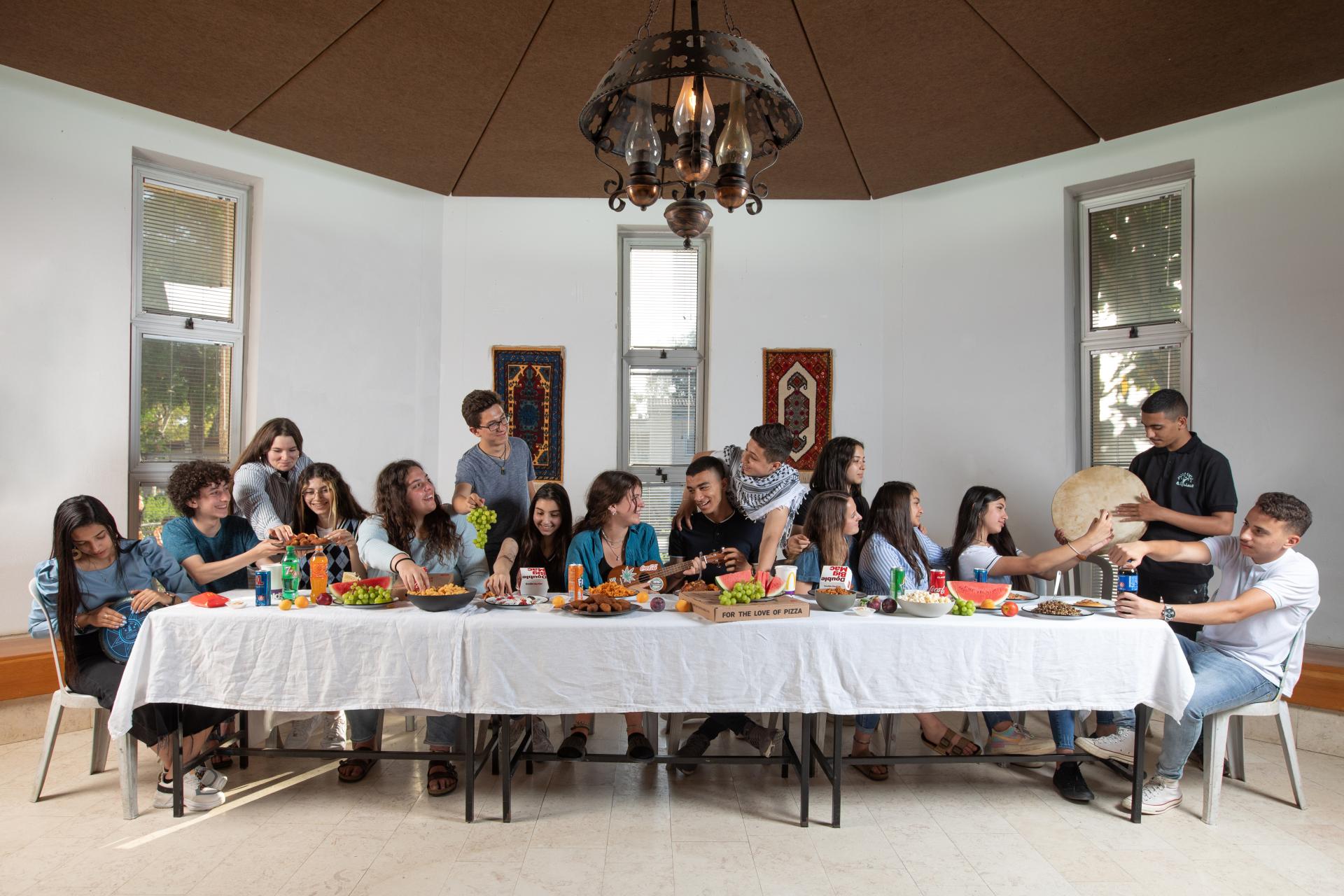
  • students sitting around a table in a classroom
    December 22, 2025

    How Hebrew education is sustaining Jewish Arab ties after October 7 - opinion

    Friends of Givat Haviva Media Relations Advisor Kenneth Bandler, in his Jerusalem Post column, writes about Givat Haviva’s Shared Language Program. Arab school principals across Israel phoned their Jewish teachers the day after the October 7, 2023, mass terror attacks to check if they and their families were okay. “It was a human relationship that held them together,” says Dikla Tomer Kaial, director of Givat Haviva’s Education Department. “The way Arab principals approached Jewish teachers in their schools made the difference. They all came back to work in Arab towns and villages.” Jewish instructors are vital to the Shared Language Program, an initiative of Givat Haviva to improve Hebrew language proficiency among Arab children. Hebrew aptitude is essential for advancing in Israeli society. The Education Ministry has supported the Givat Haviva supplemental program since its inception 11 years ago as a way of amplifying Hebrew instruction, as well as facilitating constructive interactions between Jewish teachers and Arab students. “The value of civil society organizations in facilitating improvements in Jewish-Arab relations is consequential,” Bandler concludes. “In this apparent niche aspect of education in Israel, sending Jewish teachers into Arab schools to help pupils master Hebrew in order to further their ability to progress in education and employment and to participate more fully in Israeli society should be encouraged.”

  • November 4, 2025

    Opinion | No Good Government Can Exist in Israel Without Jewish-Arab Cooperation

    Givat Haviva CEO Michal Sella, in her Haaretz oped, recalls how Prime Minister Yitzhak Rabin, assassinated 30 years ago, advanced Jewish-Arab political cooperation in Israel. “In an election year we should discuss such cooperation. It’s important to discuss it, especially because so many groups, and not only on the right, are trying to prevent it,’ writes Sella. Rabin “proved that he was a genuine leader, with a vision and a plan of action, when he said at an election conference in Nazareth in 1992: ‘We've been in power for 29 years and we're to blame for the discrimination. I beg forgiveness, and I plan to take steps to eliminate discrimination’.” The Rabin government, with support of Arab parties in the Knesset, was committed to strive for peace with the Palestinians and to promote equality for Arab citizens, notably by providing additional budgets for Arab local municipalities. “Too many of the opponents of the current government reject cooperation with the Arab parties or accept as a fact the claim that such cooperation is impossible,” Sella emphasizes. “We have to say to these leaders, There won’t be a good government here without some kind of Jewish-Arab cooperation.”

  • October 24, 2025

    Collaboration can build a stronger, healthier tomorrow

    Visitors to Givat Haviva often rub their eyes in disbelief: Jews and Arabs building deep, meaningful relationships every day, in every space, without denying their identities or narratives. Through our educational tools, mutual suspicion and fear are replaced with healthy curiosity and a desire to understand,” writes Mohammad Darawshe, Givat Haviva Director of Strategy, for Labour Friends of Israel (LFI) in the United Kingdom. ”The tragic war in Gaza is the longest and most brutal war we’ve ever known, and has shattered everything we’ve worked so hard to build – mutual responsibility, compassion, trust, and a shared society between Arabs and Jews in Israel,” Darawshe continues. “Surveys we have conducted during the war have confirmed that Jewish and Arab communities have closed off and distanced themselves from each other, avoiding the few shared spaces left in Israel. Against this backdrop, we have nurtured a healthy, thriving microcosm at Givat Haviva where partnership is not a necessity but a conscious choice. Jewish and Arab students arrive charged, angry, and hurt – but after 48 hours with children from the other society, they breathe easier. Thousands of emotionally wounded students came to us and left with friends and a smile. It’s hard to express just how meaningful it is to witness this process unfold every day, and to know that not all is lost.” Read Darawshe’s full article.

  • October 20, 2025

    Israel’s fractured soul Everything shattered on Oct. 7, 2023. Two years later, Israelis and Palestinians are far from picking up the pieces.

    During his weeklong trip to Israel in September, Boston Globe Editorial Page Editor James Dao visited Givat Haviva, met with staff and students at YOUNITED - Givat Haviva’s International School. Dao’s visit was a follow-up to Givat Haviva CEO Michal Sella’s meeting with the Globe editorial board in Boston in June. “Givat Haviva is an unusual oasis of diversity among Israeli public schools, with a mix of Palestinian Israeli, Jewish Israeli, and international students, almost evenly divided among Muslims, Christians, and Jews. Unlike many Israeli schools, they discuss Palestinian narratives in Israeli history, including about the Nakba — Arabic for ‘catastrophe’ — when some 700,000 Palestinians were driven from Israel in 1948,” writes Dao. “In a time when the Israeli left is a shadow of its once powerful self, the school is like a walled garden for the liberal vision of Jewish and Palestinian comity.” Yuval Dvir, principal of YOUNITED, and Clare King Lassman, the school’s director of fundraising and communications, are quoted in the article.

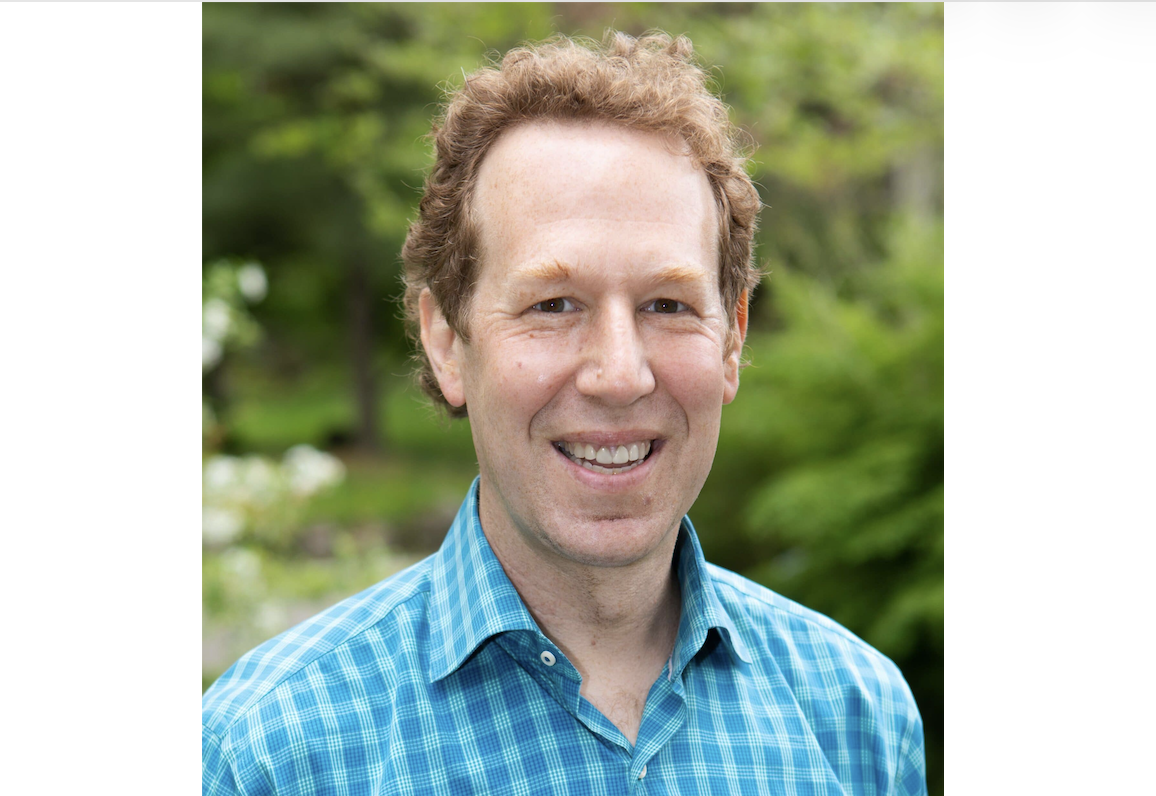
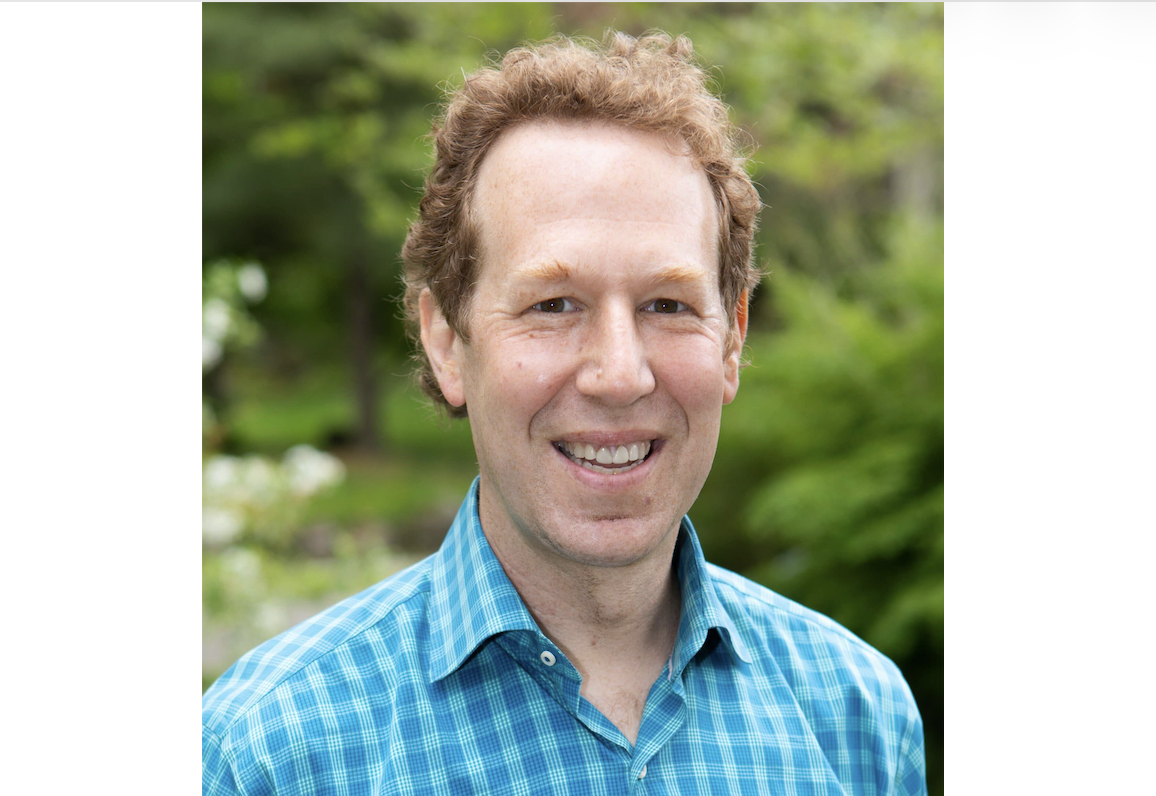
  • Mohammad Darawshe is standing outside and smiling at the camera. there are leaves behind him and he is in a light blue checkered shirt
    October 15, 2025

    For those caught in the middle, the path to Middle East peace is a long one

    For those caught in the middle, the path to Middle East peace is a long one The Globe and Mail, October 15, 2025 Doug Sanders, international affairs columnist for The Globe and Mail in Canada extensively quotes Mohammad Darawshe, Givat Haviva’s Director of Strategy, in his piece on opportunities for peace after the Hamas-Israel ceasefire. “After joyous days of bombs no longer dropping, hostages returning and aid flowing, the difficult questions are beginning to cut through the fog of no-longer-war. How, at what is widely considered the lowest moment in Israeli and Palestinian politics and mutual relations, can any lasting peace be carved out of this ceasefire?” writes Sanders. “I cannot think of a single individual in the Middle East who embodies that question, and knows how to approach it, better than a defiantly cheerful Israeli man named Mohammad Darawshe.” Mohammad tells Sanders that “there’s a deep psychological fatigue in our communities. After years of recurring violence and failed diplomacy, people have stopped believing that peace is even a possibility. My own children have grown up with the idea that war is cyclical and inevitable – that any calm is just a pause before the next eruption. That mindset is corrosive, and it shapes how we respond to any political overture.” Sanders cites Givat Haviva’s survey earlier this year that showed 72 per cent of Jewish Israelis do not trust, or are afraid of, Arab Israelis, and 52 per cent of Arabs now feel the same about Jews. Both figures, Darawshe says, are about three times higher than they were before the war.