|
Overview of Givat Haviva's
Annual Shared Society Conference
|
|
|
Givat Haviva's Annual Shared Society Conference was held on the Givat Haviva campus on January 6th. The event drew a standing-room-only audience of more than 500 Israeli Jews and Arabs, including educators, politicians, and journalists, as well as representatives of the U.S. and European Friends of Givat Haviva associations.
The conference took place amidst an atmosphere of healing in both Jewish and Arab societies following October 7, 2023. It also occurred after more than two years of war in Gaza, amid the unending wave of crime and fatal violence within Arab communities, and ahead of national elections scheduled to be held later this year.
All speakers addressed the importance of Jewish-Arab partnership. Public support for partnership was evident in a new Givat Haviva survey of Arab and Jewish citizens that was released during the daylong conference.
|
|
|
President Herzog Praises Givat Haviva's
“Vision of Partnership”
|
|
|
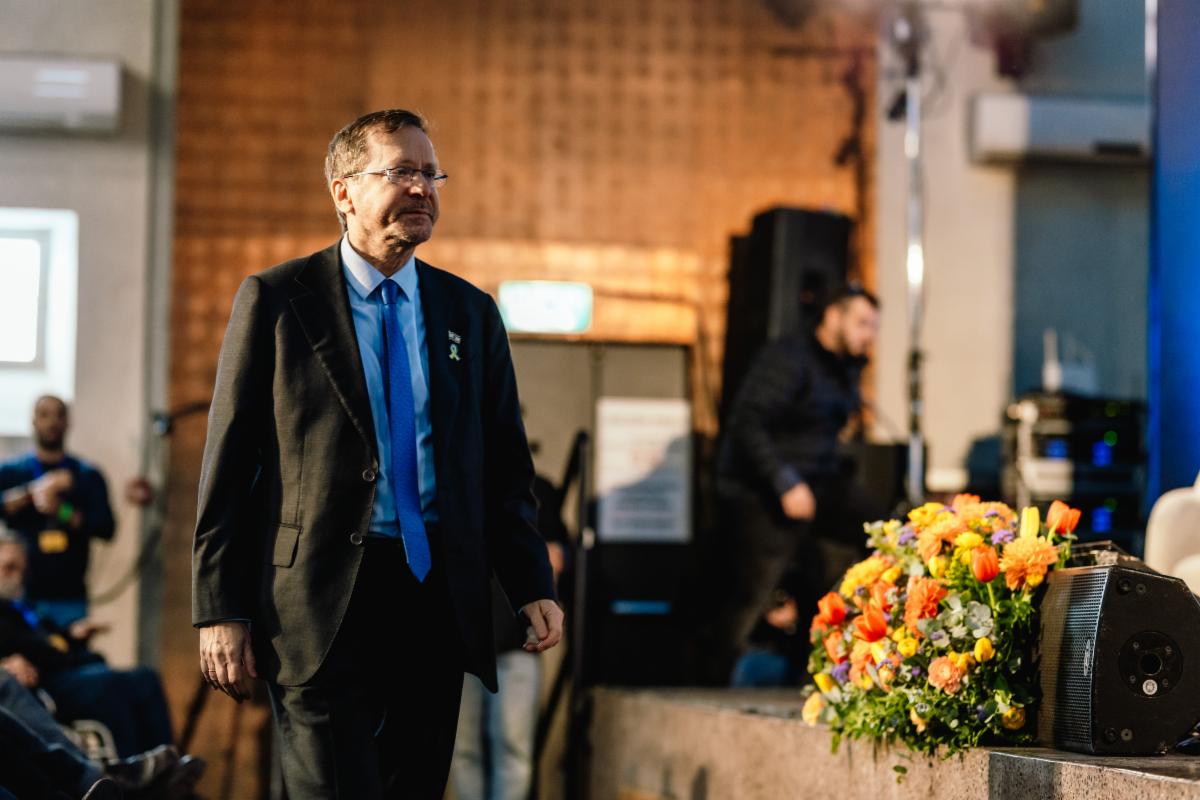
The Center for Shared Society in Givat Haviva “for many years has proudly upheld the vision of partnership,” Israel President Issac Herzog said in his keynote address to the shared society conference. “We must advance the vision of partnership as one that stands at the heart of Israeli statehood - accompanying us from the founding words of the Declaration of Independence. This is also the spirit of Givat Haviva.”
Herzog expressed hope that “this important conference will continue the precious endeavor that has been taking place at Givat Haviva for many years and will deepen the bonds of partnership between Jews and Arabs - partnership based on justice, mutual respect, trust, and hope.”
“Arab citizens of Israel are an inseparable part of Israeli society and of the State of Israel - and they are deserving, as a matter of right and not of charity, of equality in the fullest sense of the word,” he said.
Thanking Givat Haviva leadership “for its many blessed initiatives in the field of partnership,” Herzog declared, “Partnership is our daily bread. Without it, neither we nor our children have a future in this pace, in our shared home.”
Read President Isaac Herzog’s full speech.
|
|
|
FOGH Head Calls for Israel-Diaspora Partnership to
Help Build Shared Society
|
|
|
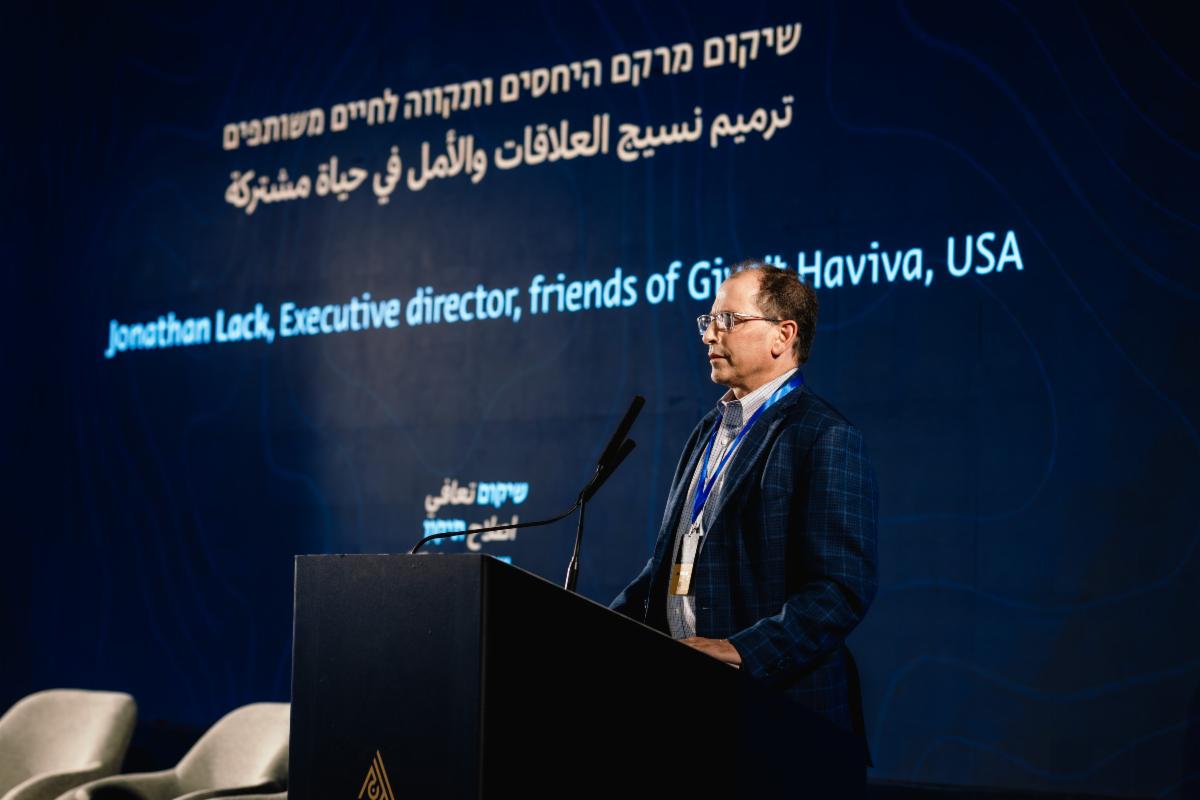
Friends of Givat Haviva Executive Director Jonathan Lack, addressing the Givat Haviva conference session “Rebuilding the Social Fabric and Renewing Hope for Shared Society,” encouraged Israeli Jews and Arabs to welcome the input, support and engagement of American Jews in efforts to build a shared society.
He urged American Jews, as well as pro-Israel Christians, to work with Israeli Arab and Jewish leaders “to advance communal relations that will strengthen democracy in the country we all love.”
WATCH Lack’s full address to the Givat Haviva conference. Read Lack’s Times of Israel oped, Israel-Diaspora Partnering for Shared Society
|
|
|
Michal Sella: “Time for Repair, Recovery, Partnership”
|
|
|
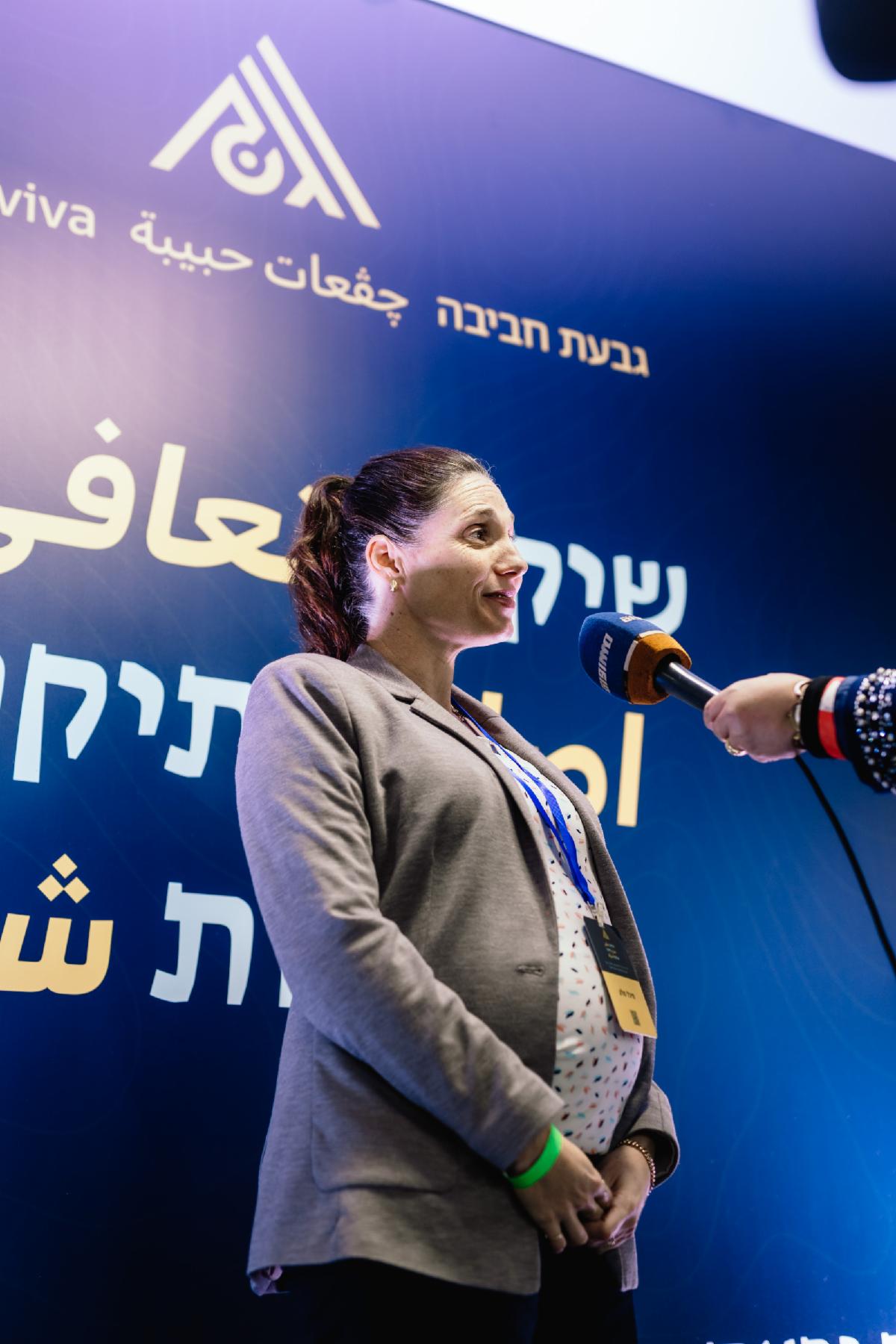
Givat Haviva CEO Michal Sella, welcoming to the campus the audience of more than 500 people, said the conference comes at a time when “we are more divided, more hateful, and more fearful of one another then ever. This government continues to incite us against each other,”
“This conference is taking place at a critical moment, a volatile moment, a moment in which the ground could slip from beneath our feet,” Sella said. “Therefore, it is also a moment when responsibility passes to us: to civil society, to local leadership, to educators – to demand from our politicians and leaders, to struggle, and to propose an alternative.”
“A shared society is not a luxury,” Sella emphasized. “It is a condition for security, for democracy, and for a future in this land. Without equality, without fair law enforcement, and without civic and political partnership – there will be no future here.”
Sella thanked the conference participants “for choosing to come and say: we do not give up. This is the time for repair, recovery, and partnership.”
Read Michal Sella’s full speech.
|
|
|
Mohammad Darawshe: Shared Society Reaffirms Partnership
|
|
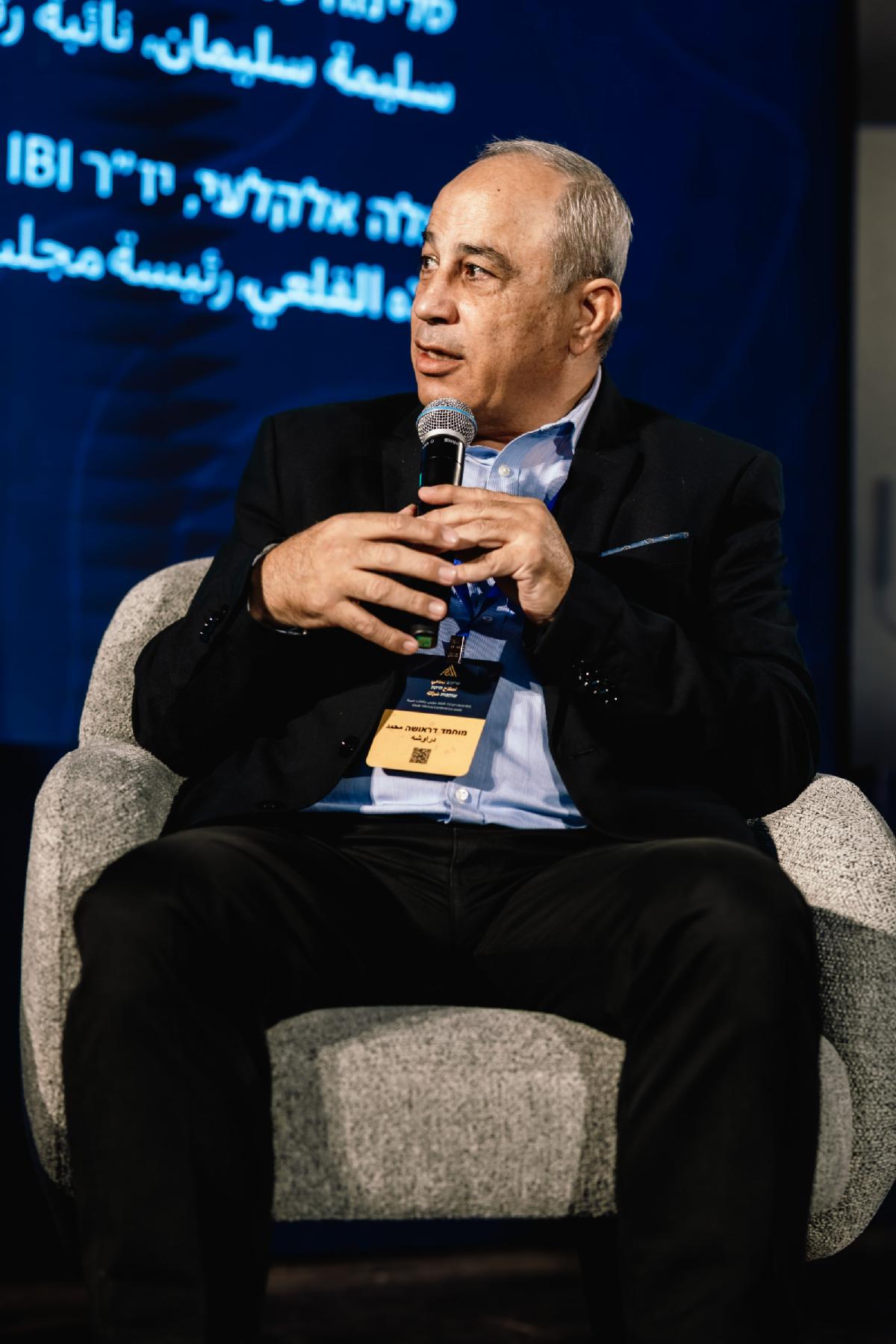
Givat Haviva Director of Strategy Mohammad Darawshe, declares in his address at the opening plenary “this conference is not merely an annual event. It is a declaration of will, the will to affirm that partnership between Arabs and Jews is not temporary, nor a secondary project, but rather a fundamental condition for building a safe and just future for all.”
Darawshe emphasized that Israeli “society in all its components has proven that it is capable or preserving its social fabric and that it refuses to be drawn into internal violence. This fact alone gives us a genuine window of hope.”
Thanking the speakers and audience “for your presence, for your commitment, and for your belief that the future can be better than the reality we are living in today,” Darawshe said, “We need to reimagine our relationship with one another. We need the courage to see the other not as an adversary, but as a partner in a shared destiny.”
Read Darawshe’s full speech.
|
|
|
Givat Haviva
Partnership Index
The Partnership Index, Givat Haviva’s annual survey of Jewish and Arab citizens, carried out by the Migdam Institute, December 2-10, 2025, and released at the January 6 conference, covered issues in three areas: Jewish-Arab Partnership, Political Partnership, and Trust in Police, Minister of National Security.
More than two years after October 7 and following the end of the Gaza war, trust has declined and pessimism about the feasibility of shared living has increased – particularly among Jews – alongside greater optimism among Arabs. Following the past year’s events, Arab society has seen an increase in optimism regarding living in partnership to 45% today, compared to only 29% last year. In Jewish society, the number of optimists has dropped from 24% last year to 16% today.
Approximately 80% of Jews and about 40% of Arab citizens of Israel are pessimistic about living in partnership.
26% of Jews trust or somewhat trust most Arab citizens of Israel, compared to 54% of Arabs who trust most Jews. The gap is most striking in absolute distrust: 33% of Jews report no trust at all, versus just 8% of Arabs.
At the same time, willingness to engage in public spaces, especially the labor market and universities, is rising among Jews and even more so among Arabs. In personal spheres, Jews remain more reserved, though about half express current or future openness to friendship, while most Arabs report readiness to befriend Jews in Israel.
For full results, read the three press releases on Jewish-Arab Partnership, Political Partnership, and Trust in Police, Minister of National Security.
|
|
 |
|
International Friends Association Conference
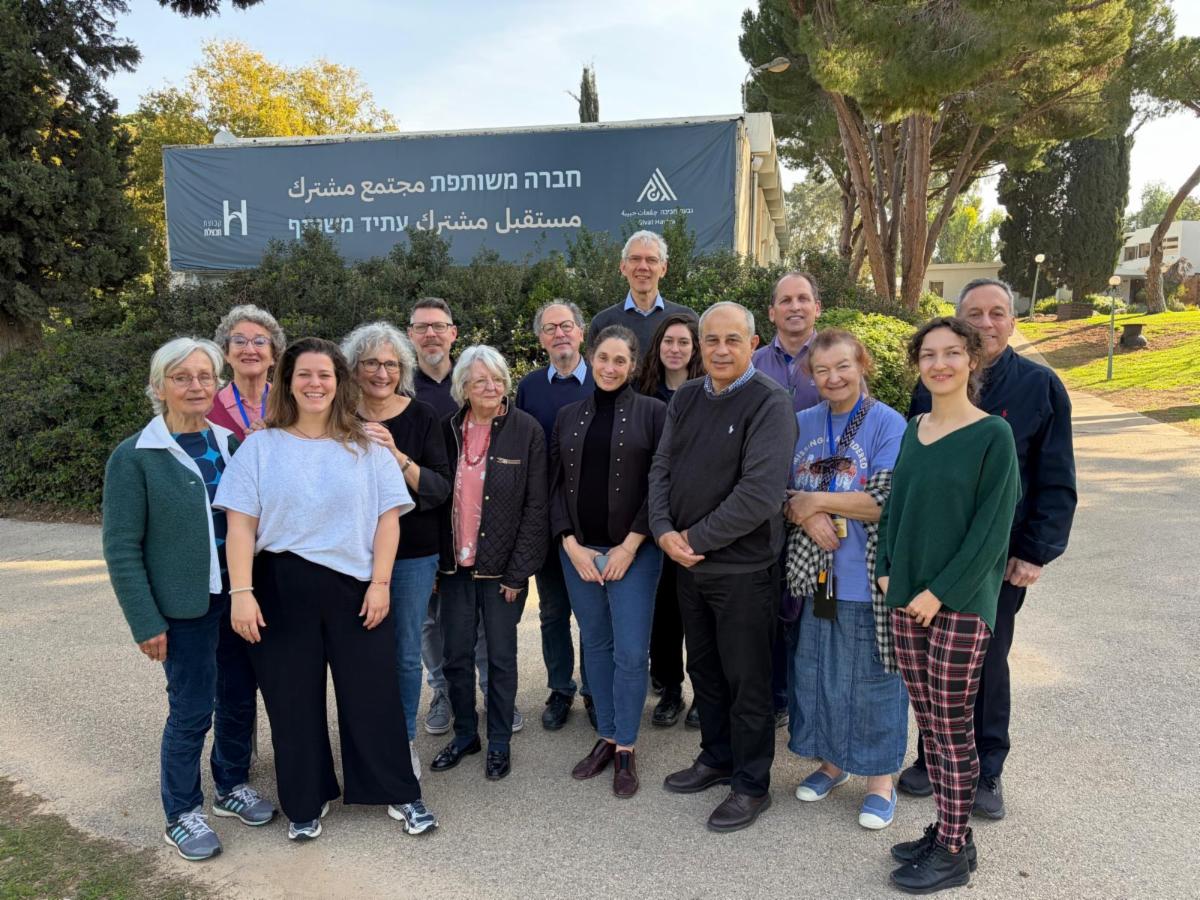
Leaders of Friends of Givat Haviva from associations in the United States, France, Germany, the Netherlands and Switzerland gathered on the campus for a two-day conference after attending the shared society event. In a series of sessions with Givat Haviva staff, the Friends received updates on a range of initiatives. They met with Anat Lidror, Director of the Shared Art Center, who led a tour of the studio, where they met with several Arab and Jewish artists currently in residency at Givat Haviva, and visited the Art Gallery to view current exhibitions.
The American and European Frends also met with Ola Najami Yousef, Director of the Jewish-Arab Center for Peace; Dikla Tomer Keil, Director of Education; Nurit Gerey, Director of the Younited international boarding school; Jenan Halabi, Director of the Through Others’ Eyes photography program; Eden Mamon, director of the newly launched Givat Haviva alumni network; and Essa Mater, who handles social media for Givat Haviva.
On their last evening together participants in the International Friends Association conference, together with Givat Havia Arabic teaching staff, Michal Sella and Mohammad Darawshe, enjoyed a festive meal with Arab music at the Jadudna restaurant in Baqa al-Gharbiyye.
Friends’ associations are vital to spearheading efforts to raise awareness about Givat Haviva in the U.S. and Europe and raise funds. The setting enabled the American and European friends to sharing experiences of involvement with Givat Haviva, challenges of discussing shared society in their own countries, and ways to expand transatlantic cooperation in support of Givat Haviva.
|
|
|
Knesset Members Focus on Upcoming Elections
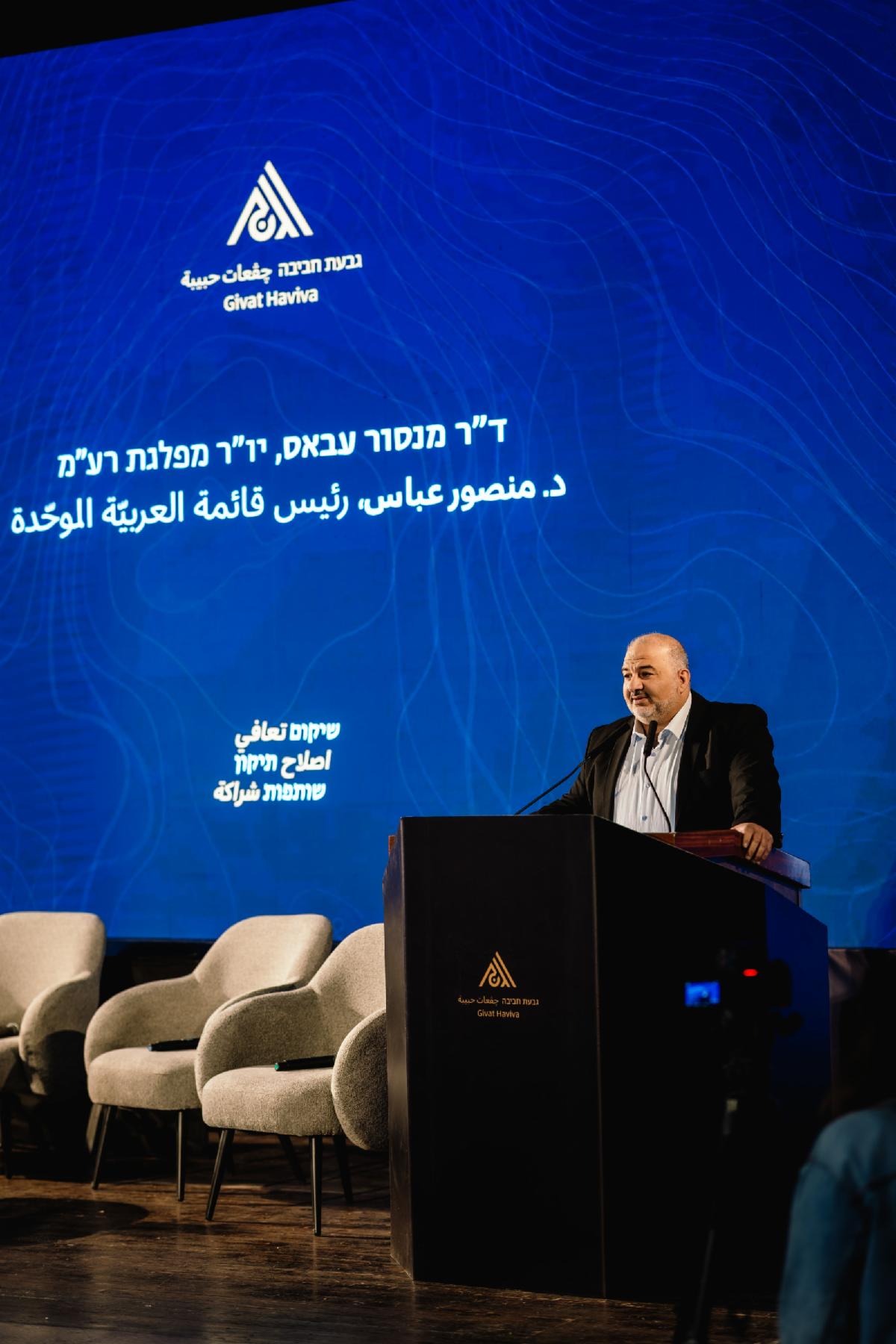
Crime and fatal violence in Arab communities, and the opportunity change the governing coalition through elections this year were the main themes in speeches and comments by MK Mansour Abbas, United Arab List Leader; MK Ayman Odeh, Leader of the Hadash Party; and Ahmad Tibi, Leader of the Ta’al Party. MK Yair Golan, Leader of the Democrats party, criticized the government’s approach to Arab citizens. Mansour said Arab voters have the potential to elect Arabs to fill 17 of the 120 seats in the Knesset
|
|
|
|
Givat Haviva Conference in the News
The conference and its key messages were featured in mainstream Hebrew-language media, including Channel 13’s main news edition, KAN 11, Ynet, N12, Walla, Israel Hayom, and Haaretz.
On the morning of the conference, data from the Partnership Index was broadcast multiple times on Reshet Bet and was also featured in Nadav Eyal’s column in Yedioth Ahronoth’s Saturday supplement. Additional coverage appeared on Channel 14, as well as in sectoral religious and ultra-Orthodox media. The conference also received significant attention in Arabic-language media, including Makan (KAN), Radio Al-Shams, Bukra, and Musawa TV.
English-language media coverage included The Jerusalem Post, The Times of Israel, The Media Line, Davar and Haaretz.
|
|
|
|