Press

  • May 14, 2026

    A Young American Jew Working for Shared Society at Givat Haviva

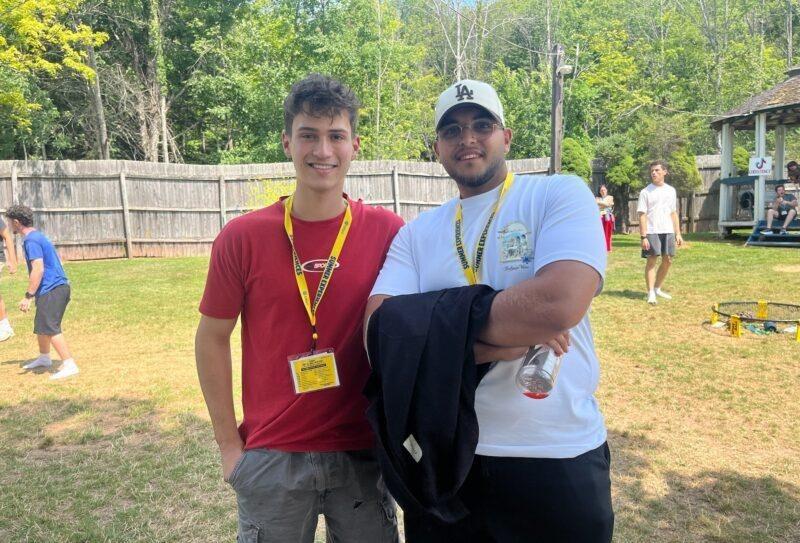
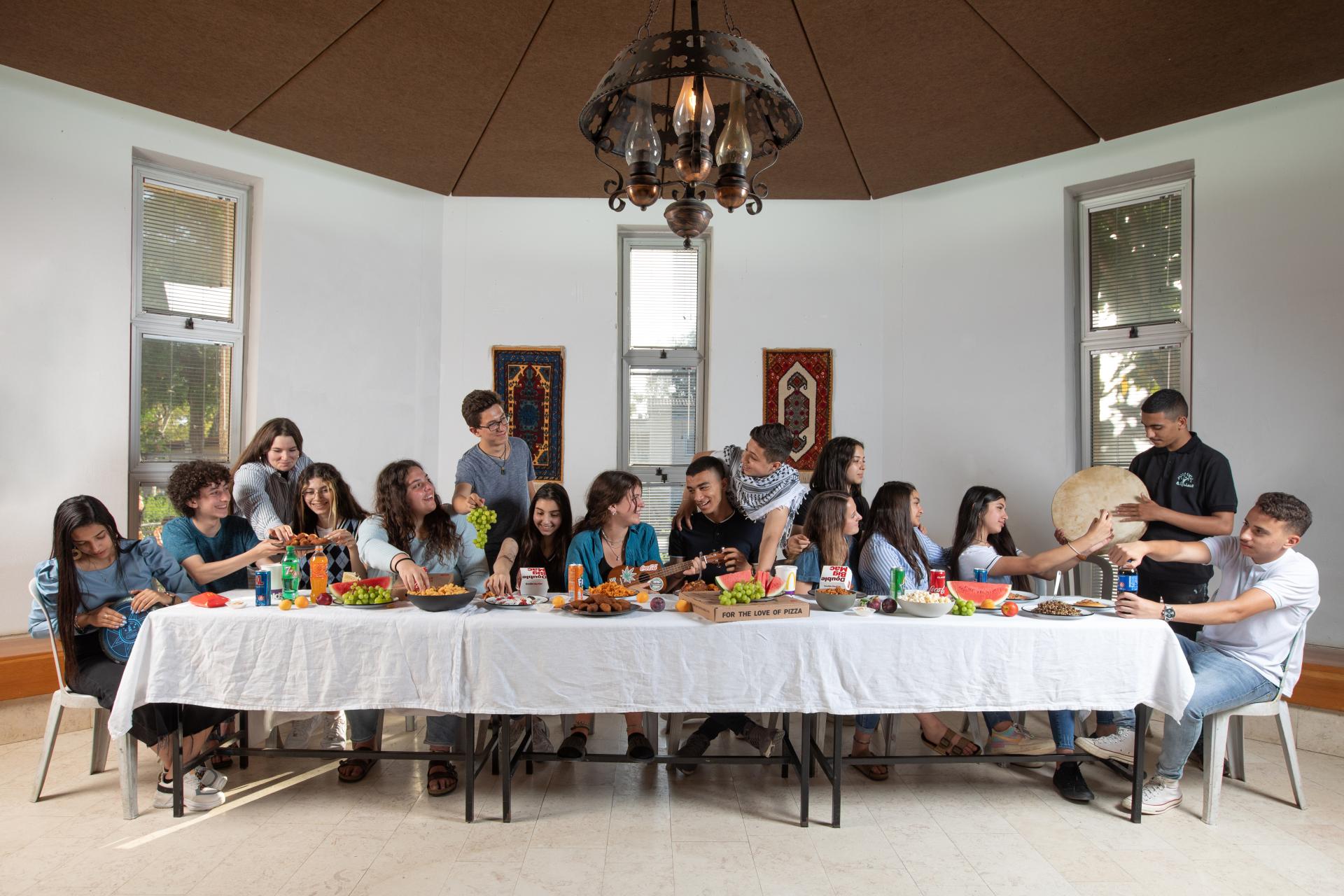
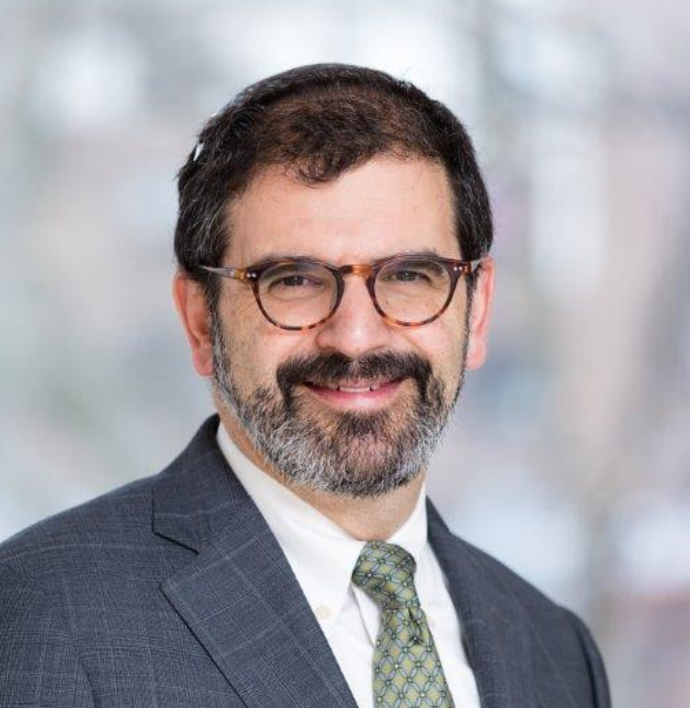
    In early 2026, central Tel Aviv filled with Israelis—Jewish and Arab alike—demanding action against rising crime in Arab communities and criticizing government inaction. Among the demonstrators was Sami Jinich, a young Jewish American working at Givat Haviva. The calls for equality and security for all citizens resonated deeply with him. “When minorities are safe, everyone is safe,” he says—an idea that felt instinctive to his American Jewish upbringing. Israel had played an important role in Sami’s life from an early age. The son of Mexican-Jewish parents, he grew up in a pluralistic Jewish community in Washington, D.C., attending a Jewish primary school where he learned Hebrew, addressed teachers as Geveret and Adon, and sang the Hatikva, in addition to the pledge of allegiance, every week. “I was told from a young age that I had a stake in this country,” he recalls. Regular visits to Israel, where he has relatives, strengthened that sense of connection.

  • May 13, 2026

    Why A Young American Came to Israel for Shared Society

    Israel played an important role in Sami Jinich’s life from an early age. The son of Mexican-Jewish parents, he grew up in a pluralistic Jewish community in Washington, D.C., attending a Jewish primary school where he learned Hebrew, addressed teachers as Geveret and Adon, and sang the Hatikva, in addition to the pledge of allegiance. “I was told from a young age that I had a stake in this country,” he recalls. Regular visits to Israel, where he has relatives, strengthened that sense of connection. During middle school, however, he began encountering perspectives that challenged what he came to see as an overly simplistic narrative. “I moved to a more diverse secular school, so I was exposed to more critical views” he says. Seeking to better understand his relationship to Israel and Judaism, he joined a gap-year program at the Shalom Hartman Institute in Jerusalem after high school. The experience deepened his attachment to Israel while also confronting him with realities he had not previously faced. “I saw issues my education had largely avoided—inequality, internal tensions, and the occupation.” As graduation from Duke University approached, Sami decided to return to Israel to engage more directly with the country’s diversity. “This time I wanted to step outside the Jewish bubble and meet other communities, including Palestinian citizens of Israel,” he explains. That goal led him to Givat Haviva, an organization focused on building shared society through education

  • May 5, 2026

    Why a Young German Came to Israel for Shared Society

    Enno Ebersbach’s relationship with Israel has long been shaped by a sense of ambivalence. On the one hand, he has felt a deep appreciation and admiration for the country’s culture and people. On the other, he has maintained a critical perspective toward many of the state’s policies. Raised in a mildly Protestant household in Germany, Ebersbach developed an early fascination with Jewish religion and culture. This interest was partly connected to his family history: the Holocaust and the suffering of the Jewish people had frequently been a topic when growing up. As a choir boy he sang Hebrew songs that left him with a lasting curiosity about the language and traditions behind them. After finishing high school, Ebersbach volunteered for a year in Israel, working with adults with disabilities. During that time, he became fluent in Hebrew, and his fascination for Israeli society and culture deepened.   In March 2026, he arrived at Givat Haviva as the Peter and Friedel Grützmacher Intern for International Partner Relations. He was struck by the diversity of backgrounds and perspectives on the campus. Conversations in the office and in the dining hall revealed motivations and political views that resisted any single narrative. “It has been rare for me to see spaces where Jewish and Palestinian Israelis work together toward a better future,” he says. “I am grateful for the chance to be part of such a place—having an impact while continuing to learn.”

  • May 1, 2026

    FOGH Chair Jeff Goodman Video Message

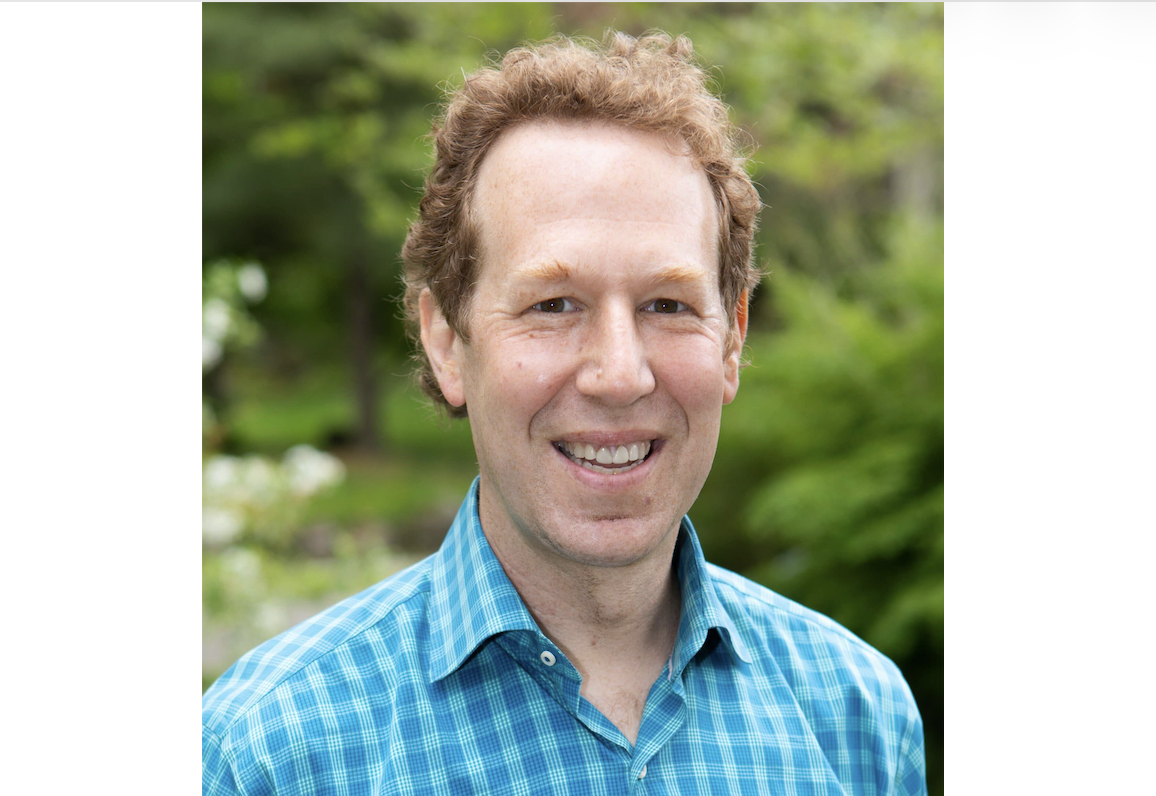
    “Even amidst deep divides that exist in Israeli society today, Givat Haviva’s programming brings forward in concrete, meaningful ways the hope and strength derived from building bonds between people, person by person, peace by peace,” states Jeff Goodman, who became Chair of the Friends of Givat Haviva Board on April 1. He filmed the two-minutes video while visiting the Givat Haviva campus in February.

  • April 23, 2026

    OPED: Why I Came to Israel to Work for Shared Society

    Samuel Jinich, a young American Jew, who is currently living and working at Givat Haviva, explains in his eJewishPhilanthropy oped what motivated him to come to Israel last year, after graduating from Duke University, to work on shared society. “For American Jews who believe in and benefit from liberal democracy, the work of shared society organizations in Israel should feel both intuitive and imperative. Israel cannot build a lasting peace with its neighbors while neglecting 21% of its own population — Muslims, Christians, Druze and Bedouins. The same sense of belonging that allows us to be a safe, flourishing minority shaping American life should extend to the minorities in Israel, whose futures are bound to the country that is as much their home as it is for the Jewish majority,” writes Jinich.

  • April 21, 2026

    Impressions from Art and Shared Society Conference

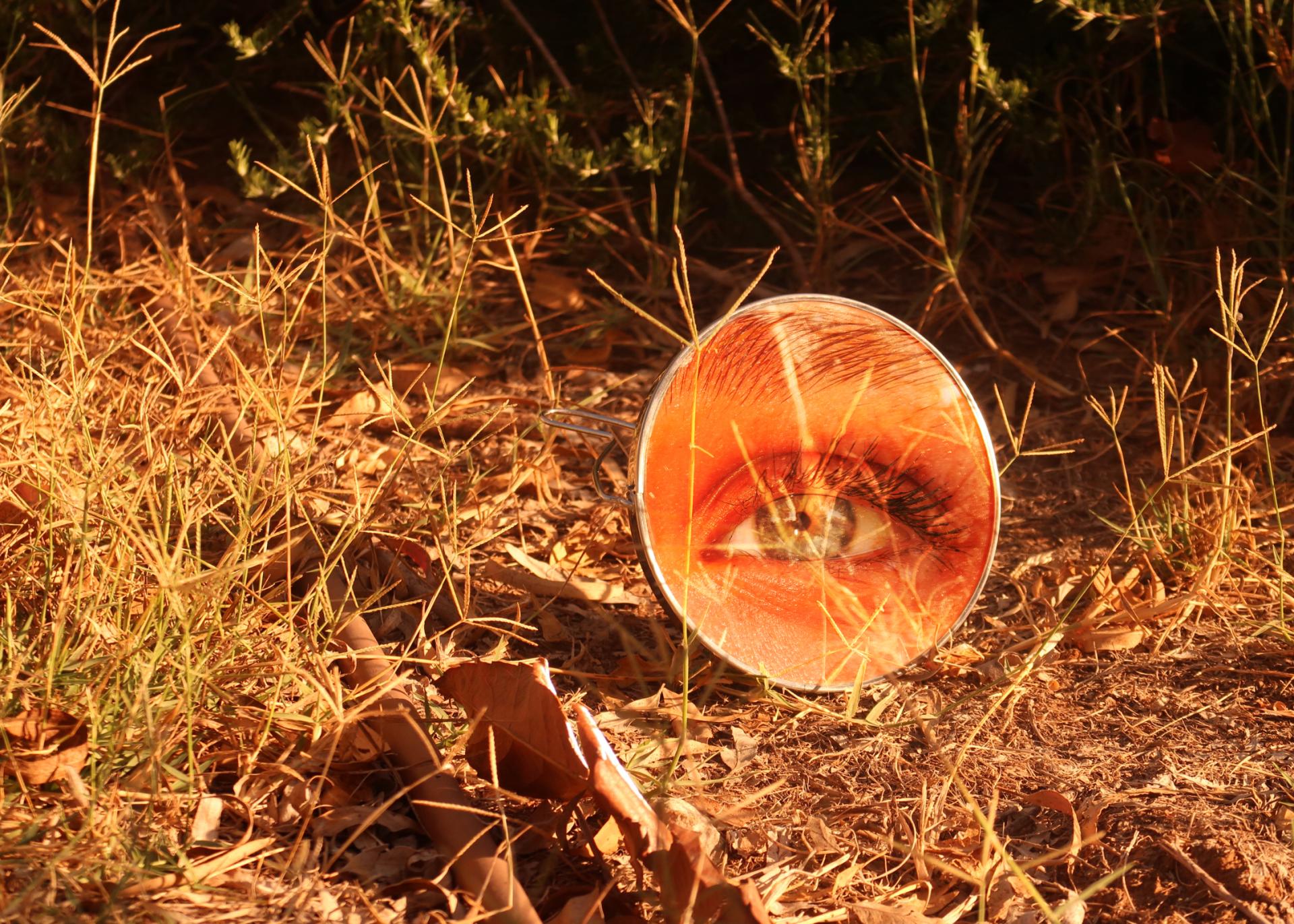
    The Givat Haviva Art and Shared Society Conference took place on April 17 under extraordinary circumstances. The gathering marked a powerful return to public cultural life after weeks in which the Givat Haviva campus had been largely empty due to the security situation. The conference, entitled The Muses Do Not Remain Silent 2026, brought together Arab and Jewish directors and managers of art institutions, artists, educators, and leading curators from across Israel. Participants shared insights into contemporary initiatives and ongoing work, highlighting the ways in which cultural institutions continue to foster dialogue and cooperation between Jewish and Arab communities. Givat Haviva CEO Michal Sella emphasized the importance of artistic expression during periods of social and political tension. “One of the things we believe in is the arts. Over the past three years so many things have happened that we never imagined could happen. We are being silenced in ways we never thought possible. But art can never be silenced, and we must honor and strengthen it,” she said.