|
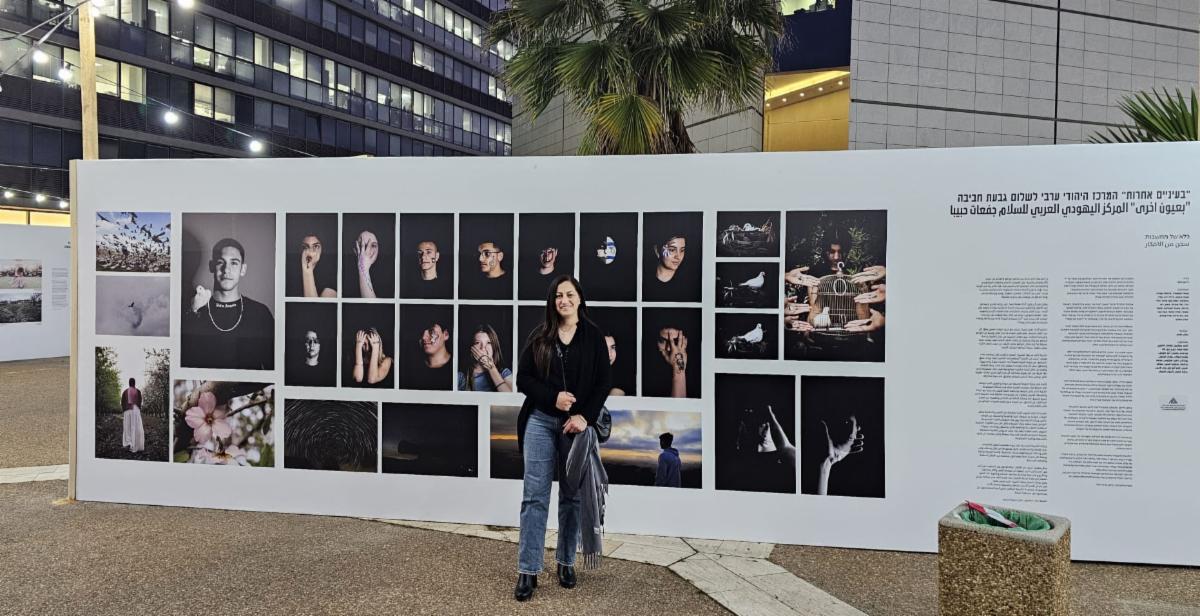
Feature Story: Jenan Halabi
Behind every educational program, intercultural meeting, and cultural festival at Givat Haviva is a team of individuals deeply committed to our mission, not just as educators or organizers, but as living models of shared society.
In this series, we'll get to know the people behind the work—who they are, how they found their way here, and what keeps them motivated during challenging times. Each month, we'll spotlight one team member, because understanding Givat Haviva starts with understanding the people who shape it.
Jenan Halabi, Director of Givat Haviva’s acclaimed Through Others’ ‘Eyes photography program is the subject of the inaugural profile.
|
|
|
Givat Haviva Israeli & American Update
|
|
|
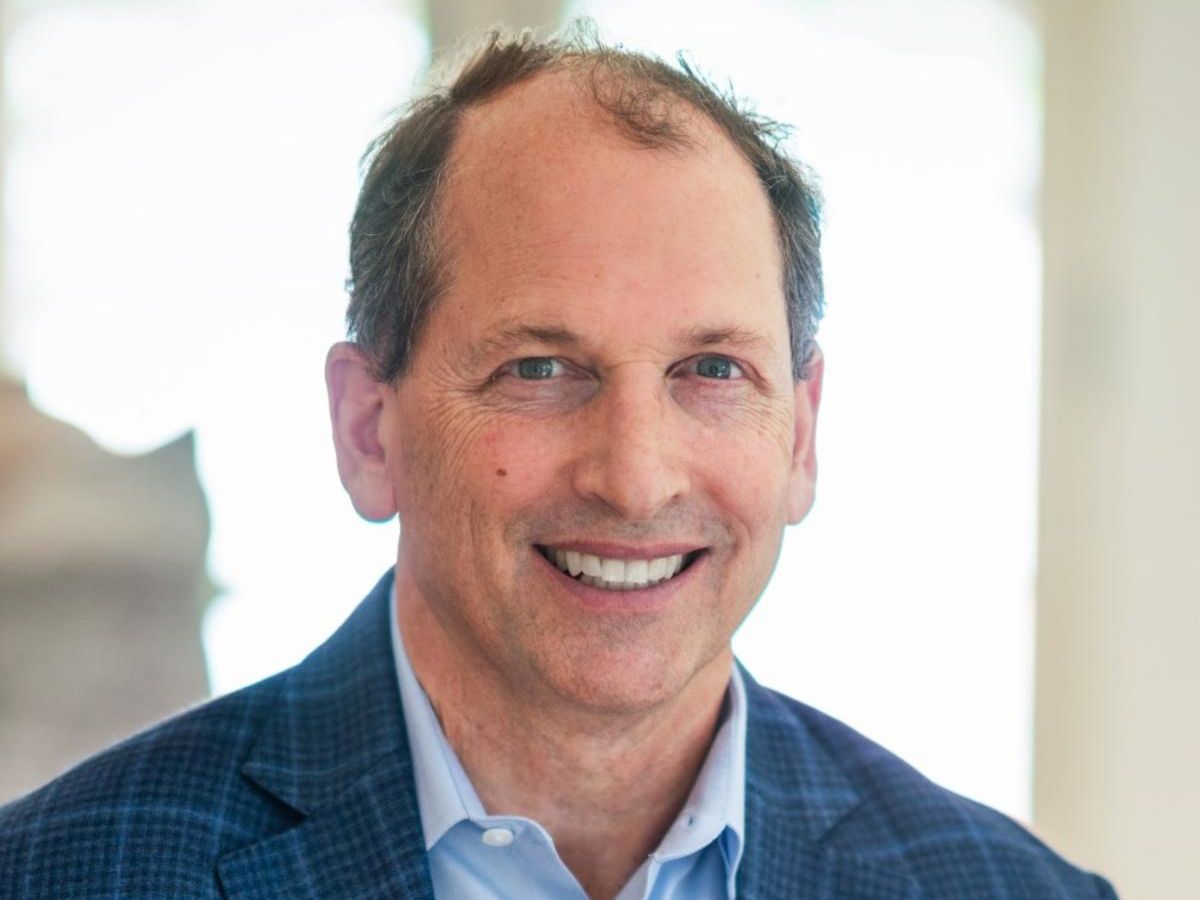
Jonathan Lack
Executive Director
& Board Member
Friends of Givat Haviva
|
|
Dear Friends,
The events of recent weeks remind us how essential — and how fragile — shared society is in Israel today.
As Arab and Jewish citizens raise their voices for safety, dignity, and equal protection under the law, Givat Haviva continues its steady, principled work: strengthening educational partnerships, fostering civic leadership, expanding economic opportunity, and creating spaces where Jews and Arabs live, learn, and lead together.
In moments of tension, it is easy to focus only on crisis. Yet what ultimately sustains a democratic and inclusive future is long-term investment in relationships, language, leadership, and mutual responsibility. The programs highlighted in this newsletter — joint arts residencies and teen photography — reflect a comprehensive commitment to practical partnership, not symbolic coexistence.
As Friends of Givat Haviva in the United States, we remain dedicated to ensuring that this work continues with strength and clarity as we build Israeli Arab-Jewish shared society, peace by peace.
|
|
|
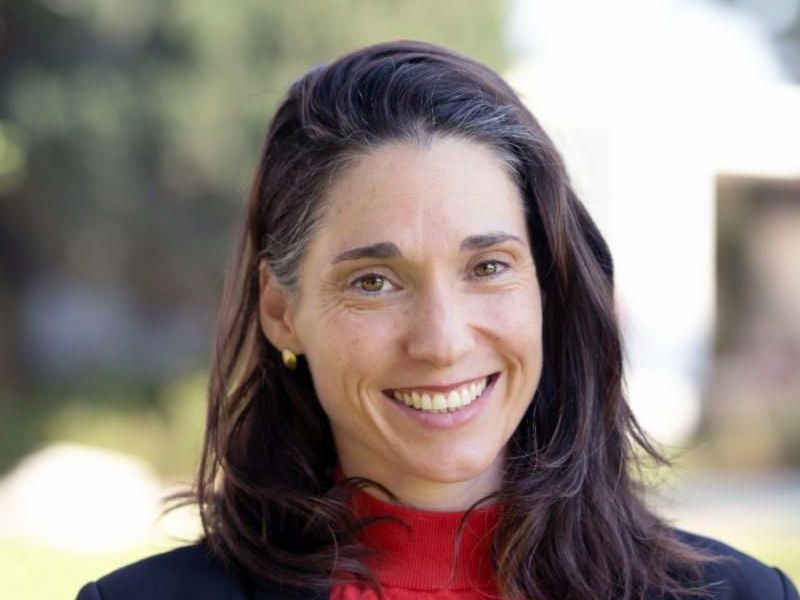
Michal Sella
CEO, Givat Haviva
|
|
Dear Friends,
Arab civil society has decided to fight for its right to life and security. The demonstrations in Sakhnin and Tel Aviv were, for us, proof that both societies — Jewish and Arab — can mobilize in times of crisis and act together in solidarity. Crime and violence in Arab society claim more and more victims every day. It appears that the police and the government are completely indifferent, and the abandonment is becoming absolute. Out of this despair arose one of the largest protests we have seen recently in Arab society, joined by many Jews. True, crime and violence will not stop without massive police and governmental intervention, and they continue to rage, but we still allowed ourselves to be moved by the civic courage of the mass turnout to the streets in an attempt to influence decision-makers.
Against the backdrop of this encouraging protest,y a terrible event occurred on the national and educational level. Two classes from Ibn Khaldun School in Sakhnin went on a trip to Park HaMaayanot. During the trip they were attacked by yeshiva students solely for being Arab. The students were sprayed with pepper spray and rushed for medical treatment. At Ibn Khaldun School, the “Shared Language” program of Givat Haviva operates. We work closely with the school staff and principal, who educate their students toward respect, shared society, equality, and democracy.
This shocking attack is the result of systemic racism and the ongoing failure of law-enforcement authorities in the face of extreme right-wing violence, which is now penetrating the civilian and educational spheres. Without basic security, it is impossible to sustain equal public education. Givat Haviva stands with the students and staff of Ibn Khaldun and calls on the education system and law-enforcement agencies to act decisively against the attackers. If this violence is not stopped — no child in Israel will be safe.
|
|
Mohammad Darawshe Speaking at J Street Convention
Givat Haviva Director of Strategy Mohammad Darawshe will address two sessions of the J Street Convention in Washington, DC. On March 1, he will speak on “Israel's Political Crossroads: A Preview of the Upcoming Elections,” and on March 2, he will address “The Arab Vote: Palestinian Citizens of Israel Moving the Political Needle”. Friends of Givat Haviva will have an information table at the J Street Convention. If you are attending please let us know. We would love to connect!
|
|
|
Art Gallery Exhibit: No Space Between Us
Nine Jewish and Arab Israeli artists completed their residency at Givat Haviva with the opening of their No Space Between Us exhibit in the Givat Haviva Art Gallery.
In the residency program the nine artists created, ate, spent time, slept, or in other words lived together 24/7 in the same shared space at Givat Haviva. The artists – Alumah Fishman, Chen Chefetz, Yarin Abu Hamad, Lila Abd Elrazaq, Noga Davis, Sarah Khatib, Amit Gavish, Fayza Badarneh, Tala – come from different geographical places in Israel, from Dalyat El-Karmel, Tel Aviv, Haifa, Jerusalem, Arabeh, Nof Hagalil, and Raanana.
Throughout their time in the program, the young artists were accompanied by the program director, an artistic guide, a social facilitator, and a team of mentors consisting of top Israeli artists.
"The participants put aside their lives, their homes, not work. They try very hard to get here, and everything takes them very much out of their comfort zone,’’ says Anat Lidror, director of the residency program and curator of the Givat Haviva Art Gallery, told Maariv.
“They are in a different situation: a common society, a new place, new people and also a situation of developing a personal process. It’s a very exposed place, and many times we feel that we need to give them this space, to get to know each other. There is no better way to get to know each other than to live 24/7 together.”
Read the Maariv feature article, "Art is the only language we speak. It's irrelevant where everyone came from,” on the latest group of artists in residency at Givat Haviva.
|
|
OPED: Voters Want Partnership, January 13, 2026. Givat Haviva CEO Michal Sella, in her Ynet oped, argues in favor of Jewish political parties welcoming the support of Arab parties in elections later this year.
Citing the Partnership Index, Givat Haviva’s annual survey of Jewish and Arab citizens, Sella concludes that “Mathematically, ideologically, and morally, cooperation with the Arab parties cannot be ruled out, and every fifth Israeli should not be excluded from the political game. Centrist voters show that they are open to the idea, as do voters of the Change Bloc. They deserve leadership that knows how to count and, most importantly, how to lead.”
|
|
|