August 19, 2026
“Taken Out of Context” Through Others’ Eyes Exhibit
How Israeli Arab and Jewish teenagers define freedom is the theme of the current Through Others’ Eyes (TOE) photography exhibit at the Jewish-Arab Center for Peace on the Givat Haviva campus.
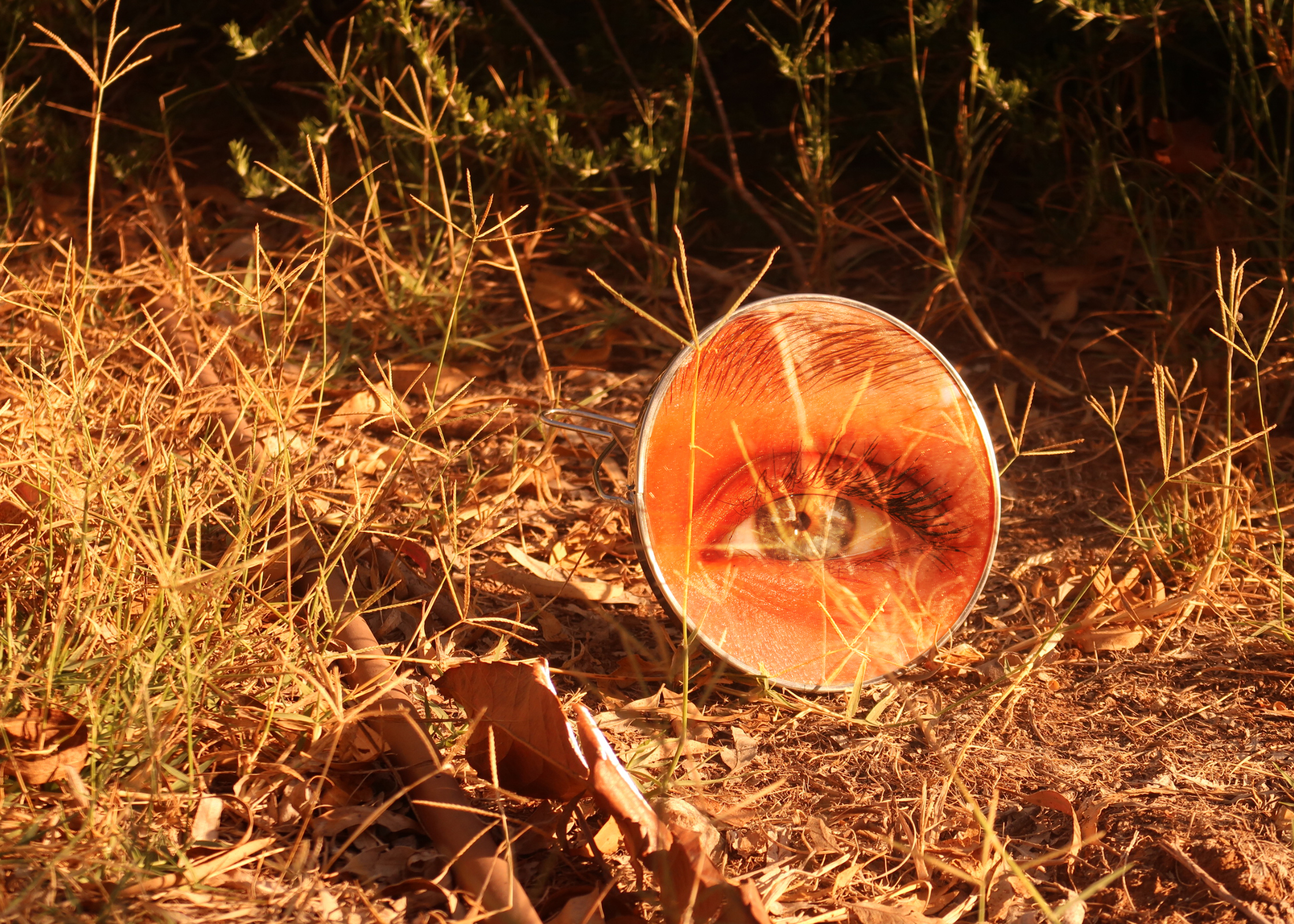 "The world did not change; the way I see it did" -- Aleen ArmaneJenan Sharuf Halabi, TOE Program Coordinator and Exhibition Curator, explains the exhibit:
What is freedom?
Is freedom flying? Leaving? Staying? Walking barefoot? Closing a suitcase? Opening a cage?
Or maybe freedom begins the moment a person chooses – who they are, where they're going, and the kind of world they want to live in.
The exhibition "Taken Out of Context" was born from the perspective of Jewish and Arab teenagers who chose to look at the concept of freedom not as a fixed definition, but as an open question. Through the camera, they take the concept out of its familiar contexts and reconstruct it from their own world: adolescence, identity, belonging, fear, friendship, body, movement, home, boundaries, dreams, and the ability to choose.
The works presented here don’t aim to document reality as it is, but to reveal the hidden meaning within it. Everyday objects, familiar places, and fleeting moments are taken out of their usual context and turned into images of memory, hope, farewell, courage, and belonging. Through the act of taking something out of context, the familiar becomes strange, and the simple turns into a space for thought, emotion, and imagination.
In the photographs in the exhibition, freedom is not always an open space. Sometimes it’s actually the moment you notice the boundary. A cage can be empty and still remain a cage; a balloon can rise and still be tied to a string; a window can appear on a solid wall; a pair of shoes can be left behind while the body continues barefoot. Sometimes freedom is movement, and sometimes it’s the ability to stop. Sometimes it’s stepping into the unknown, and other times it’s the ability to stay, to look, and to be present. The works move between reality and imagination, between documentation and staging, between light and shadow, between a present body and a fading, disappearing figure. They don’t offer one answer to the question of what freedom is, but reveal the complexity within it: the desire to fly alongside the need to belong; the desire to break free alongside the fear of losing; the freedom to be alone alongside the freedom to be together.
And amidst all of this, the human encounter also took place. For a year, Jewish and Arab teens met, took photos, talked, listened, and observed each other’s worlds. In a year when the reality around them repeatedly sharpened boundaries, identities, and fears, they chose to create together. Not to erase the differences between them, but to meet them. Not to agree on everything, but to stay within the shared space. From this encounter, the possibility was born to see the other – and maybe even themselves – in a different light.
Perhaps that's why freedom in this exhibition is not a destination you reach, but a way of acting. It's the ability to shift the frame, change your perspective, question the obvious, dare to ask questions, and see another possibility. Sometimes, to see differently, you first need to take things out of the context you're used to seeing them in. Only then can you begin to see with other eyes.
With love and pride,
Jenan Sharuf Halabi
Through Others’ Eyes Program Coordinator and Exhibition Curator
.jpg)
"True freedom is standing at the edge of an endless desert by day, knowing that the same vast, wide-open sky will turn at night into an infinite highway of stars." -- Itamar Zafar
|
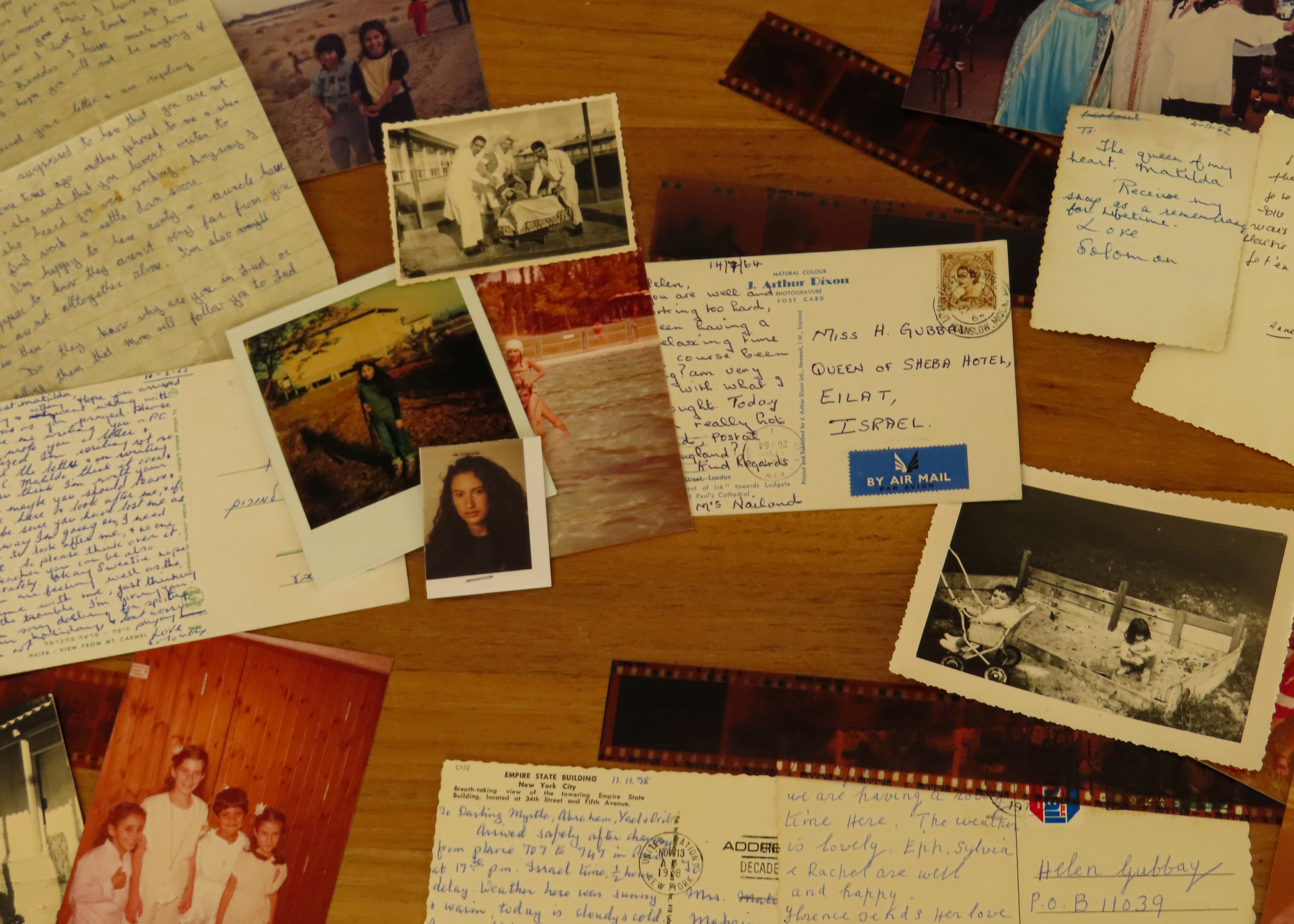
"We are made of memories, of photographs that remain, words that were written, and people who passed through our lives. Even as time moves forward, something of them always stays with us" -- Yasmin Ben Horin |
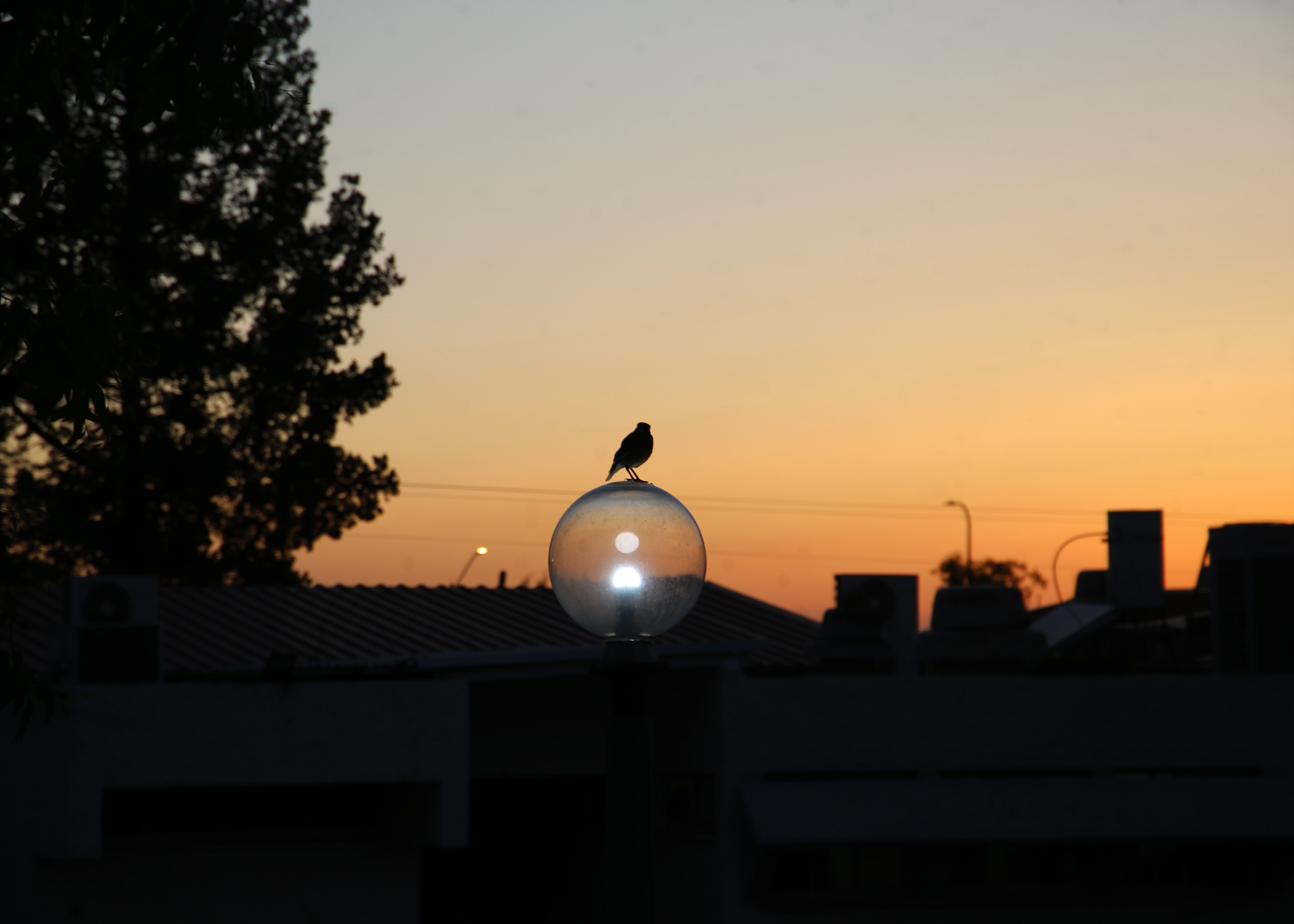
"Even a small bird against a vast sunset reminds us that sometimes freedom is greater than fear" -- Lia Heikal
|