Givat Haviva American Update
|
|
|
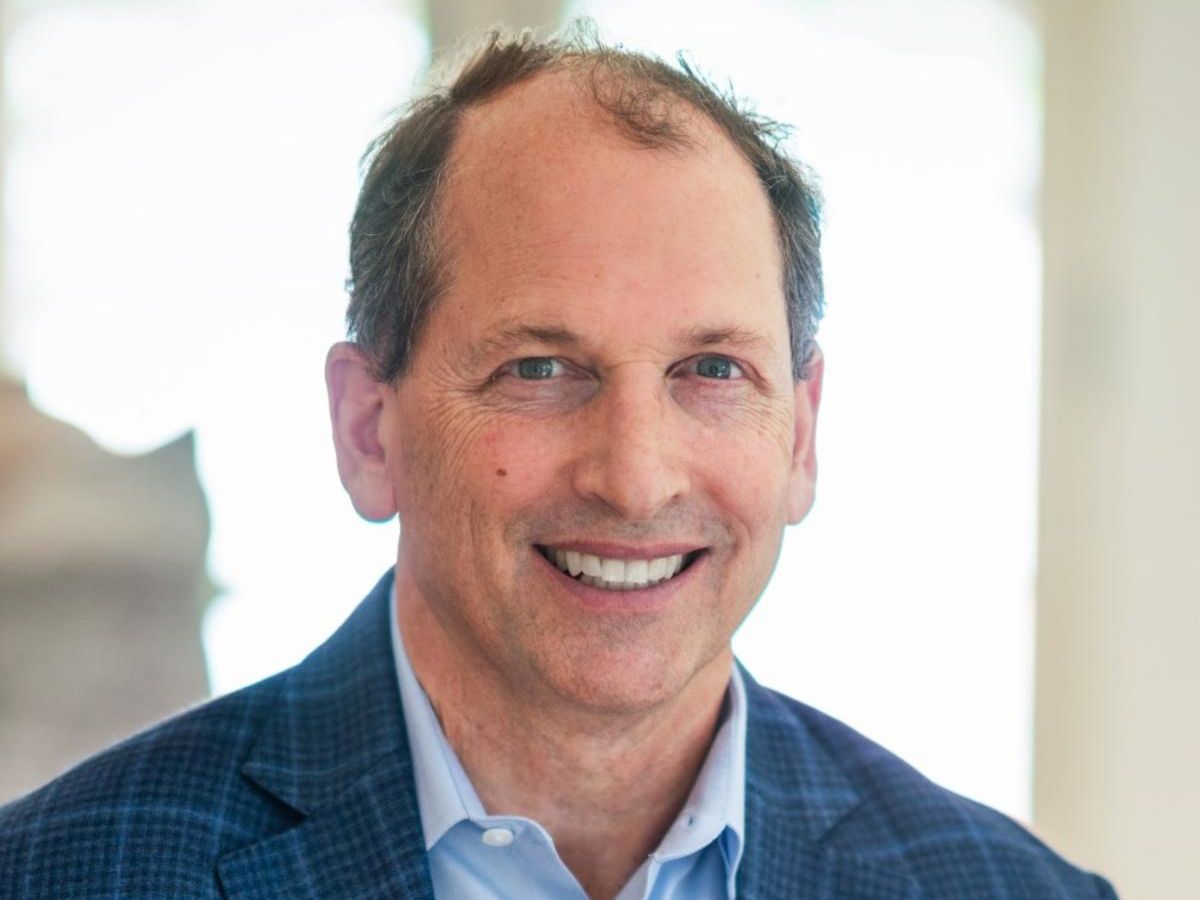
Jonathan Lack
Executive Director
& Board Member
Friends of Givat Haviva
|
|
|
As we move through a remarkable convergence of religious observances – Eid al-Fitr, Passover, and Easter – we are reminded that, across traditions, this season calls us to reflect on renewal, resilience, and the enduring hope for peace.
At Friends of Givat Haviva, this moment feels especially meaningful.
Even as the current war and security challenges have disrupted daily life on campus, the core mission of Givat Haviva continues - quietly, steadily, and with unwavering commitment. Jewish and Arab students, educators, and community members are still learning together, engaging in dialogue, and strengthening the relationships that form the foundation of a shared society.
What stands out most is not simply resilience, but purpose.
In a time when division can feel amplified, the work of Givat Haviva reflects a different reality - one in which partnership is not aspirational, but practiced every day. Whether through virtual classrooms, ongoing dialogue programs, or the simple but powerful act of showing up for one another, this community continues to model what a more inclusive and peaceful society can look like.
The stories in this month’s newsletter – from life continuing on campus, to the voices of staff and participants, to the perspective of a young international intern – underscore a consistent theme: even in uncertainty, there is connection; even in conflict, there is cooperation; and even in the most difficult moments, there is hope.
That hope, however, must also be protected.
As missile threats continue, ensuring the physical safety of those who come to Givat Haviva –Jewish and Arab students alike – is essential to sustaining this work. Our Emergency Security Initiative to build reinforced safe rooms across the campus is not separate from our mission; it is what enables it. These safe rooms will provide immediate protection during alerts and ensure that the critical work of shared society can continue, even in the most challenging circumstances.
As we reflect on this season across faiths and traditions, we are reminded that peace is not simply something we wish for. It is something we invest in, protect, and build together.
Thank you for being part of that effort.
|
|
On Campus During the Iran War
|
|
On Campus During Iran War
Givat Haviva CEO Michal Sella gave birth to her third child in late February, and Director of Strategy Mohammad Darawshe welcomed the birth of his first grandson on March 10. Friends of Givat Haviva congratulates Michal, Mohammad, and their families and joins with them in celebrating these joyous lifecycle milestones that show “life goes on” in these most difficult days.
For Israeli children, Jewish and Arab, as well as for their parents and grandparents, Givat Haviva staff and participants in programs are continuing to show resiliency in dealing with the evolving regional conflict as they strengthen ties between Jewish and Arab citizens, and build the shared society that is so essential for Israel’s democratic society.
Campus activity has been somewhat quiet since the current war with Iran began on February 28. Regular programs that bring hundreds to Givat Haviva weekly are not happening in person, in part due to the security situation. But Givat Haviva encounters and other meetings on campus typically do not take place during the month-long Ramadan holiday, notes Ola Najami, Director of the Jewish-Arab Center for Peace.
Moreover, the dangers posed by Iranian missiles has led to government security measures limiting movement within Israel. Givat Haviva staff who commute to campus in eight minutes or less have been coming to work as usual. Staff who commute longer have been working remotely. “If you’re on the main road and there’s a missile alert you cannot get to a safe area, but if you are at home you have time to run to your safe room,” Darawshe explains.
Younited high school international students have remained on campus, while Israeli Jewish and Arab students went home at the beginning of the war and all classes have continued virtually.
Enno Jaime Ebersbach, a young German currently living and working at Givat Haviva, provides a glimpse into life on the campus in Starting an Internship in Times of War – A Report from a Recently Arrived German Intern in Givat Haviva. “Despite the gravity of the situation, I am grateful to be in an environment where I feel protected and supported – surrounded by people whose kindness and solidarity are tangible even in these difficult times,” writes Ebersbach.
Israeli Arab and Jewish high school students participating in Givat Haviva’s Through Others’ Eyes photography program have been meeting on Zoom to share reflections on the war with Iran. “Because we see in Israel a lot of fake news photographs and videos, we have been discussing with the students how they are viewing the war, how to think about the impact of questionable images distributed by media, how to identify trustworthy, credible photos and videos.”
In addition, Israeli Jewish teachers who normally visit Arab schools to teach Hebrew have been continuing their weekly sessions on Zoom.
And a planned Arts Center exhibit on shared society was delayed and is expected to open on April 17.
While Darawshe reported on March 16 that the regional authority had okayed the return of all students to the campus, the continual barrages of Iranian missile reaching Israel that began shortly after that positive news has further delayed a return to normalcy on the campus.
Givat Haviva, thankfully, has not seen any missiles that have fatally landed nearby. But this new reality of vulnerability has led Givat Haviva to redouble efforts to ensure the safety of campus residents and visitors by erecting “safe rooms” throughout the 42-acre campus. Each safe room costs $35,000. Friends of Givat Haviva has launched an urgent appeal to help purchase and install soon six safe rooms that are manufactured in Israel.
Darawshe voiced optimism that the normally busy campus activities schedule will resume when the war with Iran ends, and that the planned educational programs for the current school year will be fulfilled before early May when students will be preparing for their end of school year exams.
|
Feature Story: Dikla Tomer Kaial
|
|
Behind every educational program, intercultural meeting, and cultural festival at Givat Haviva is a team of individuals deeply committed to our mission, not just as educators or organizers, but as living models of shared society. In this series, we'll get to know the people behind the work—who they are, how they found their way here, and what keeps them motivated during challenging times. Understanding Givat Haviva starts with understanding the people who shape it.
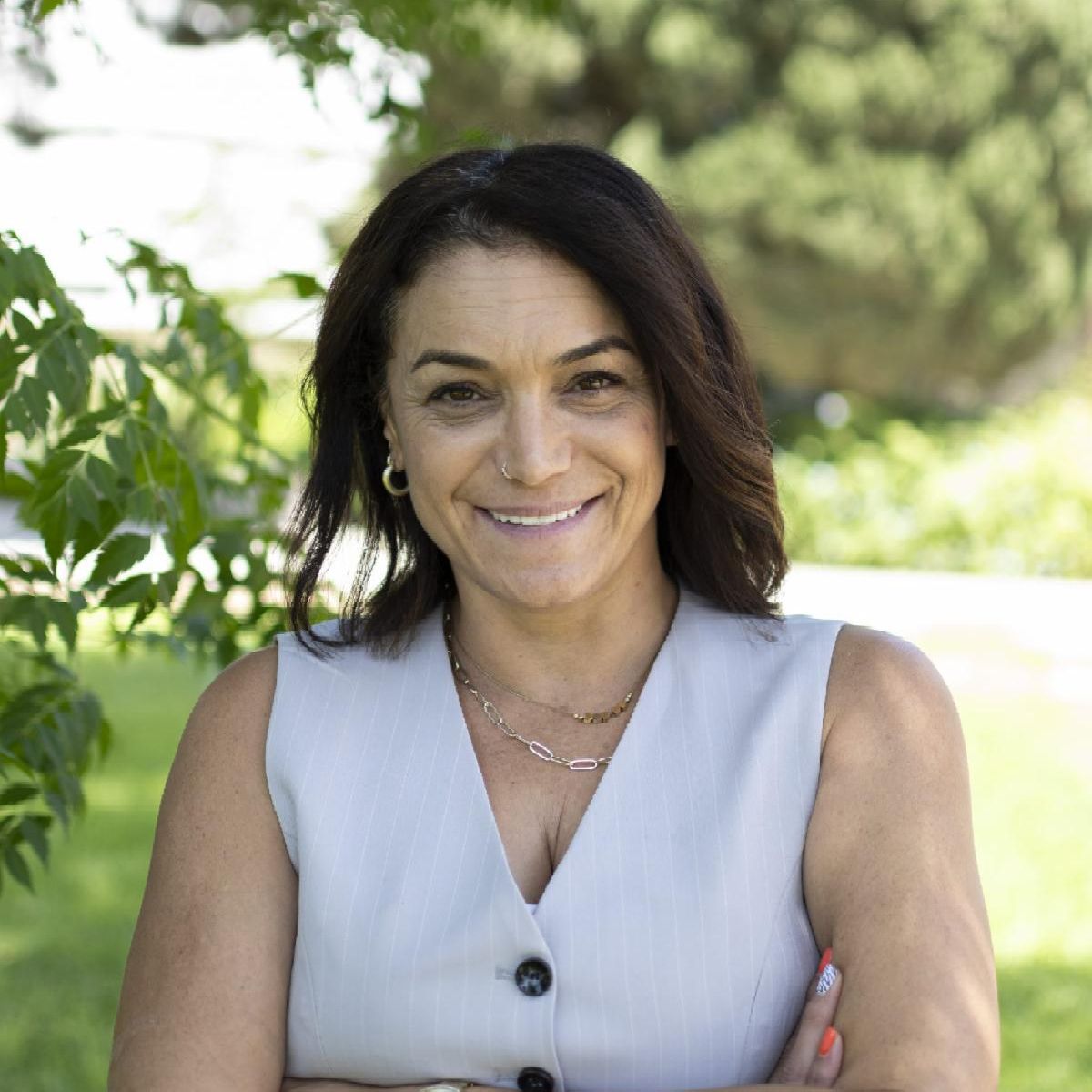
This month we are featuring Dikla Tomer Kaial, Director of the Jewish-Arab Center for Peace Education Department, who shares her story of why she came to work at Givat Haviva and her commitment to advancing Jewish-Arab understanding in Israel. “I’m really happy that I work in this field because I feel like I walk the talk. I do every day what I believe in — at home and at work,” says Kaial.
Read the full story here
|
A German Intern's Perspective
|
|
|
Enno Jaime Ebersbach, 26, began his internship at Givat Haviva on March 1, the day after the U.S. and Israel war with Iran began. He reports in Starting an Internship in Times of War – A Report from a Recently Arrived German Intern in Givat Haviva on the situation on campus, where most activities have been suspended. “Despite the gravity of the situation, I am grateful to be in an environment where I feel protected and supported – surrounded by people whose kindness and solidarity are tangible even in these difficult times,” Ebersbach writes.
|
|
FOGH Board Member Jeffrey Goodman and his wife Molly visited Givat Haviva for a full day in mid-February. “We visited basically every component of campus, from the Center for Peace, to the Younited school, to the Arts Center,” says Goodman. “I came back reinforced in the fundamental goodness of the mission and the goodness of the people there on the ground who are living their lives as fully and meaningfully as they can.”
Givat Haviva CEO Michal Sella published a timely oped Israeli Opposition Leaders Are Wary of Alliance With Arab Parties. But Voters Are Surprisingly Open to It, in Haaretz.
Givat Haviva Director of Strategy Mohammad Darawshe addressed 150 Reform, Conservative and Orthodox rabbis, who represent synagogues, schools and major Jewish organizations, at the fourth annual “Zionism: A New Conversation” conference, hosted by the Lisa and Michael Leffell Foundation. Darawshe spoke about Jewish-Arab relations in Israel.
|
|
In Urgent Appeal for Safe Rooms on Campus
|
|
Friends of Givat Haviva has launched an Emergency Security Initiative to immediately construct six reinforced 100 square foot safe houses across the 42-acre campus to protect those on site and ensure that critical programs can continue safely even during wartime. These facilities, which will cost $35,000 each, will provide lifesaving protection during missile attacks and strengthen the campus’ long-term emergency preparedness.
|
|
|
|