Building Israeli Arab-Jewish Shared Society, Peace by Peace

About Givat Haviva


News & Updates

All News
 
  • June 8, 2026

    Among Partners: Givat Haviva at University of Haifa Shared Society Conference

    Givat Haviva took part in the Shared Society Conference organized by the University of Haifa Frieze Center. The June 3 event brought together representatives from academia, civil society, government, and philanthropy to discuss the challenges of building trust and social cohesion in Israeli society. One session featured Givat Haviva Director of Strategy Mohammad Darawshe in conversation with Haredi Rabbi Yosef Kaminer. The discussion focused on cooperation between academia and civil society organizations and their shared responsibility in advancing a more inclusive future. Darawshe spoke about rising social tensions in the country, observing that “Israeli society is fighting with itself.” He stressed the importance of ensuring full social and political equality for Israel’s Arab citizens “We have a big problem when even representatives of the political center exclude citizens with a certain identity—namely Arab identity—from the political process,” he said. Reflecting on Givat Haviva’s mission, Darawshe emphasized the importance of practical solutions alongside public dialogue. “Our task is not just to identify problems, but to solve them, even in the face of resistance,” he said. As an example, he highlighted Givat Haviva’s initiative to place Jewish teachers in Arab schools and Arab teachers in Jewish schools. Darawshe also pointed to common challenges faced by Arab and Haredi communities in Israel, particularly regarding social and economic inequality, and highlighted the potential for cooperation between these groups in advancing a more inclusive society.

  • May 30, 2026

    The Israel Connexion Interviews Mohammad Darawshe

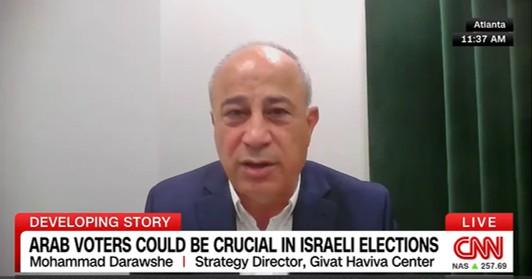
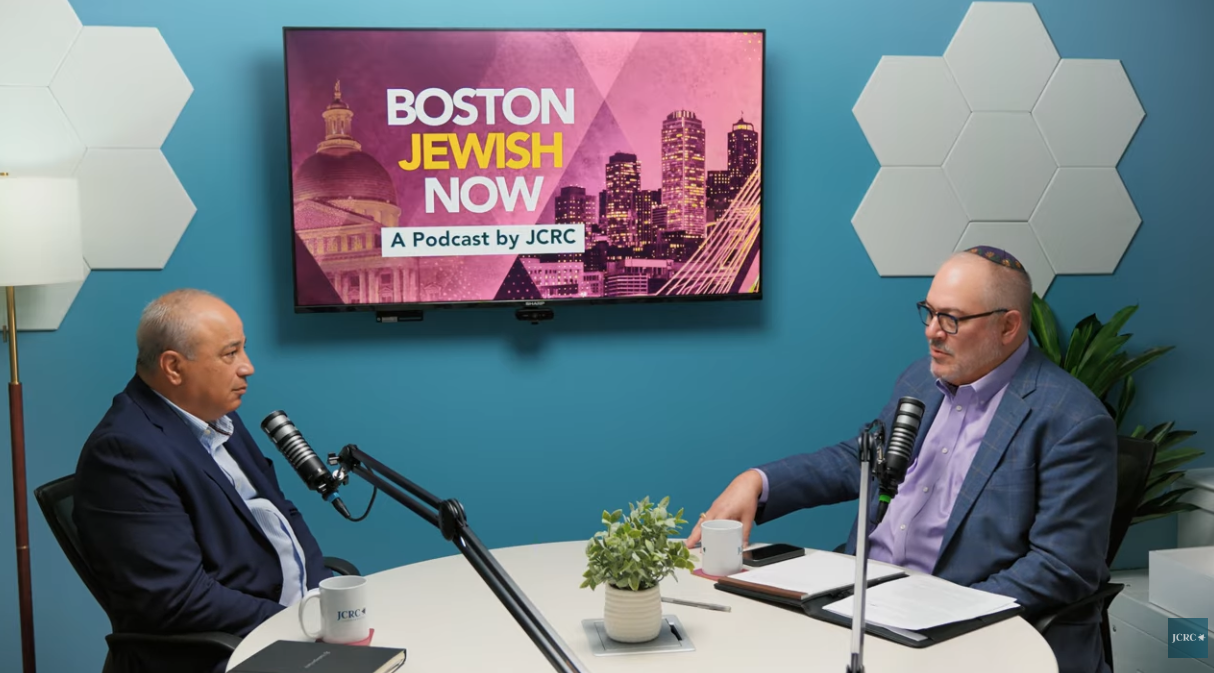
    Givat Haviva Director of Strategy Mohammad Darawshe, in conversation with The Israel Connexion podcast host David Schulberg, discussed a range of issues concerning Israel’s Arab citizens, including the Arab vote and prospects for Arab political parties in national elections later this year; Arab citizens’ reactions to ongoing wars with Gaza, Iran and Lebanon; the crime rate in Arab communities in Israel; the brain drain of Arab citizens leaving the country; and significant gains in education and employment. Asked if he is optimistic about being in Israel, Darawshe said, “socially, economically, yes. The majority of the Arab and Jewish communities want to live together, are capable of living together, but I am pessimistic when it comes to the political aspect.’ Listen to Darawshe’s 42-minute interview on The Israel Connexion.

Recent Events

All Events
 
  • Jan

    19

    Special Briefing: Survey of Israeli Jews, Arabs

    On Monday, January 19th, 12 pm (ET) Friends of Givat Haviva held a special briefing on the new Givat Haviva survey of Israeli Jewish and Arab citizens. The annual Givat Haviva Partnership Index provides vital insights into public opinion on critical issues affecting Jewish-Arab relations in Israel and the work of Givat Haviva. Givat Haviva CEO Michal Sella, Director of Strategy Mohammad Darawshe, and Adi Sidi, presented the survey results and discussed their implications for advancing Jewish-Arab relations in Israel. This special briefing was the first time the Givat Haviva 2026 Partnership Index was presented in English, and follows the Givat Haviva Conference for a Shared Society that took place on January 6.

  • Jan

    6

    Givat Haviva CEO Michal Sella Opens Shared Society Conference

    The 2026 Givat Haviva conference for a shared society comes at a time when “we are more divided, more hateful, and more fearful of one another then ever. This government continues to incite us against each other,” Givat Haviva CEO Michal Sella declared in her address opening the January 6 event, attended in person by more than 500 people. “This conference is taking place at a critical moment, a volatile moment, a moment in which the ground could slip from beneath our feet,” Sella said. “Therefore, it is also a moment when responsibility passes to us: to civil society, to local leadership, to educators – to demand from our politicians and leaders, to struggle, and to propose an alternative.” “A shared society is not a luxury,” Sella emphasized. “It is a condition for security, for democracy, and for a future in this land. Without equality, without fair law enforcement, and without civic and political partnership – there will be no future here.” Sella thanked the more conference participants “for choosing to come and say: we do not give up. This is the time for repair, recovery, and partnership.” Read Michal Sella’s full speech.

decorative element